
Getting To We Insights
6 Must Read Books for Understanding Racial Inequities
Getting To We
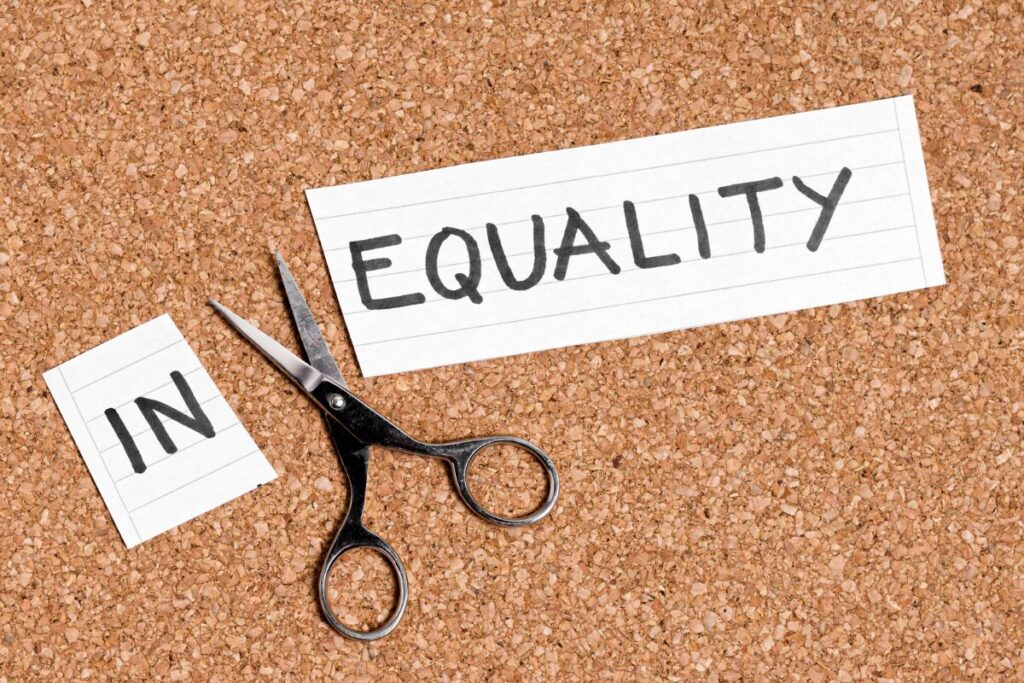
Books have always been a critical aspect of my educational journey. During the summer months of my youth, absent the financial resources for day camps, my mother decided that our educational enrichment would consist of visiting our county library located at the end of our street where she made joining the summer book club mandatory. There, with the guidance of wonderful librarians, I was introduced through books to a world very different from my beloved inner-city neighborhood. I was a willing recipient eager to read just about anything they recommended. Today, my love of books remains strong and I am always happy to receive great recommendations.
Especially in the DEIB space (diversity, equity, inclusion and belonging), books have a way of helping us come further to the truth… our own and others. Books help to sharpen our thinking, challenge our assumptions, and expand our world views. Books can enlighten and inspire us to engage more with each other on issues that matter. Books are an important component of #Getting to We.
Understanding racial inequities is a complex topic that often makes us feel uncomfortable because they continues to exist and persist. I have chosen these six books because they ease the discomfort by turning discomfort into insight. With insight we can then adjust or change our thinking and behavior in order to make a difference in our world. I have chosen a favorite book in six areas central to understanding racial inequities: the achievement gap in education, healthcare disparities, housing discrimination, the wealth gap, voter suppression and criminal justice reform. I invite you to share other titles in each of these categories that you have found helpful. Enjoy reading, learning, and discussing!
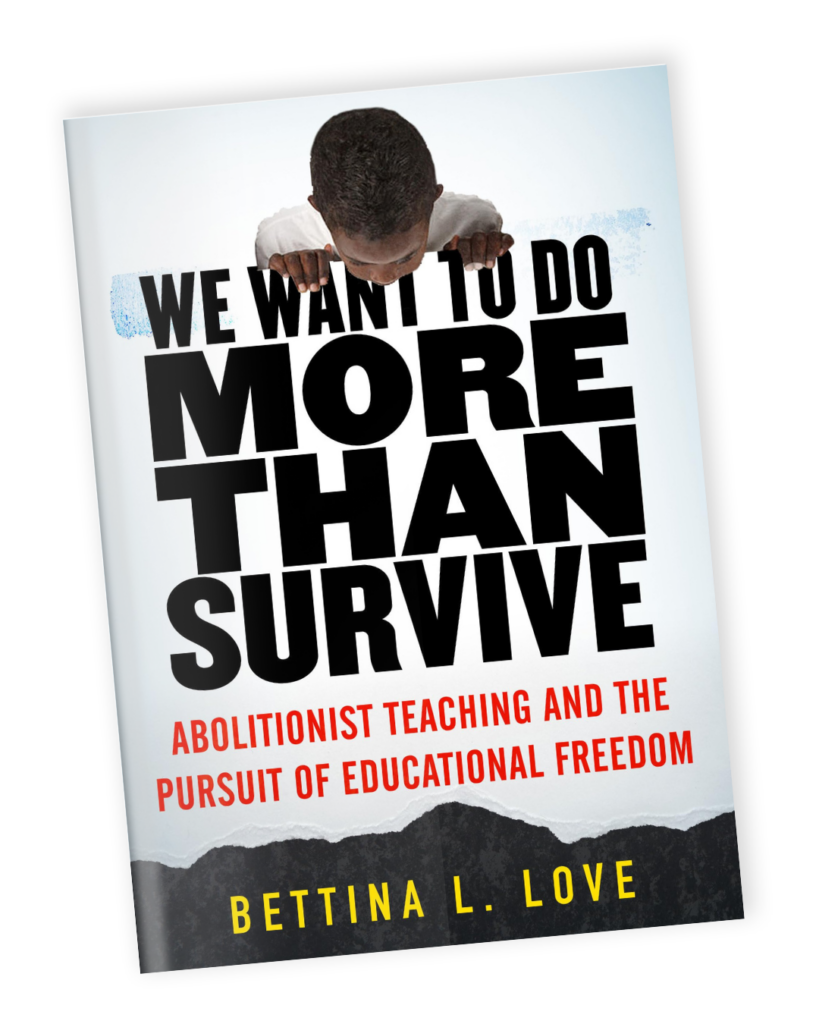
Achievement Gap in Education
I had never heard of the theoretical orientation of abolitionist teaching before reading Bettina Love’s book. She describes it as “the practice of working in solidarity with communities of color while drawing on the the imagination, creativity, refusal, (re)membering, visionary thinking, healing, rebellious spirit, boldness, determination, and subversiveness of abolitionists to eradicate injustice in and outside of schools.” This is a real #BlackLivesMatter #DisruptTexts #EduColor #MyAsianAmericanStory kind of book that introduces educational reform through activism rooted in “mattering, surviving, resisting, thriving, healing, imagining, freedom, love and joy.” Wow!
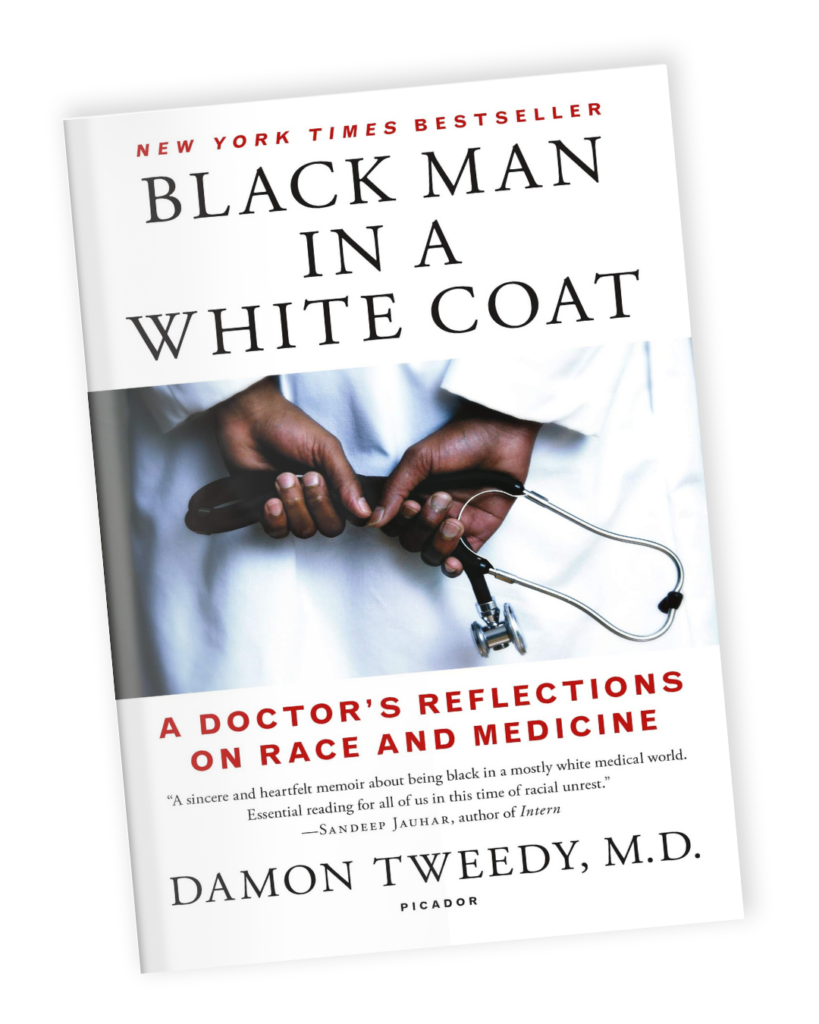
Healthcare Disparities
Most books on healthcare disparities are written for academics or medical practitioners, and that is a shame. We all participate in the healthcare system and understanding how it works supports us to be better informed consumers and advocates for health equity. I choose Black Man in a White Coat because it not only tells the amazing story of Dr. Damon Tweedy’s journey through medical school and as a practicing physician, but it also examines the intersection of race and medicine in a way that will make you go hmmm…
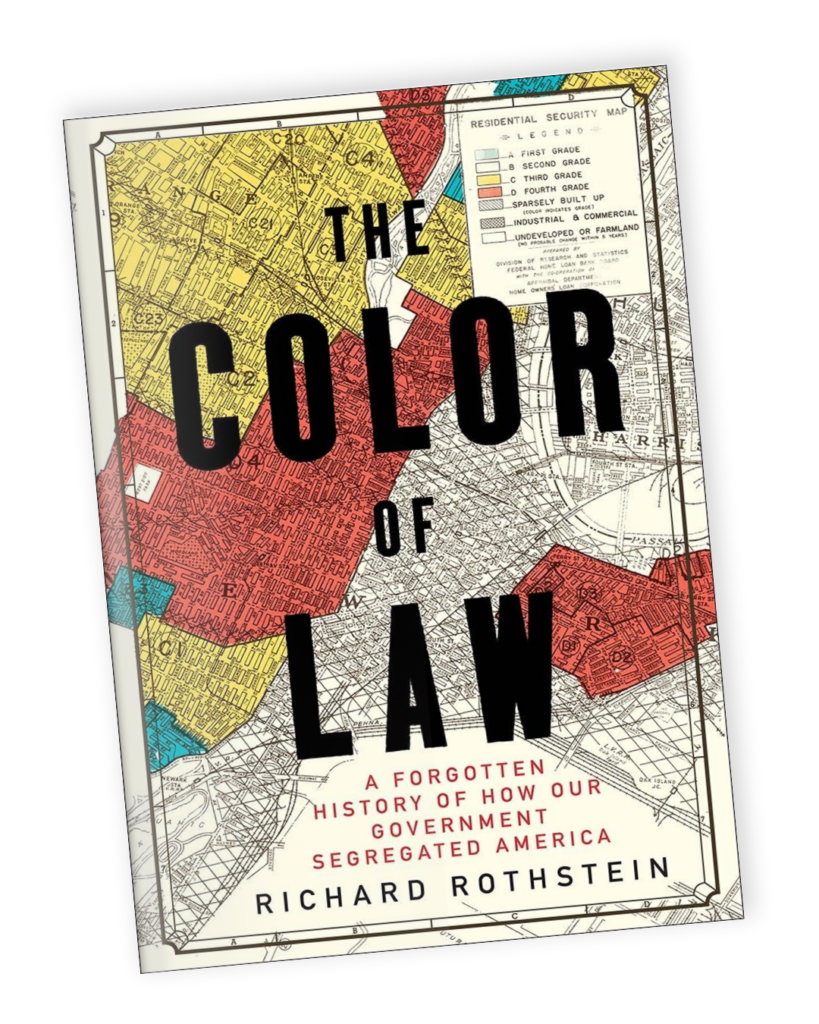
Housing Discrimination
There are so many post-it notes and yellow highlighting in my copy of The Color of Law that I’m sure they’ve added an extra half pound to its weight. Richard Rothstein, a leading authority on housing policy, covers decades of policies enacted by local, state and federal government agencies and court decisions blatantly sanctioning segregation. I was horrified to read about these facts, terribly saddened that these truths are not common knowledge, and inspired to do more to change this reality.
Wealth Gap
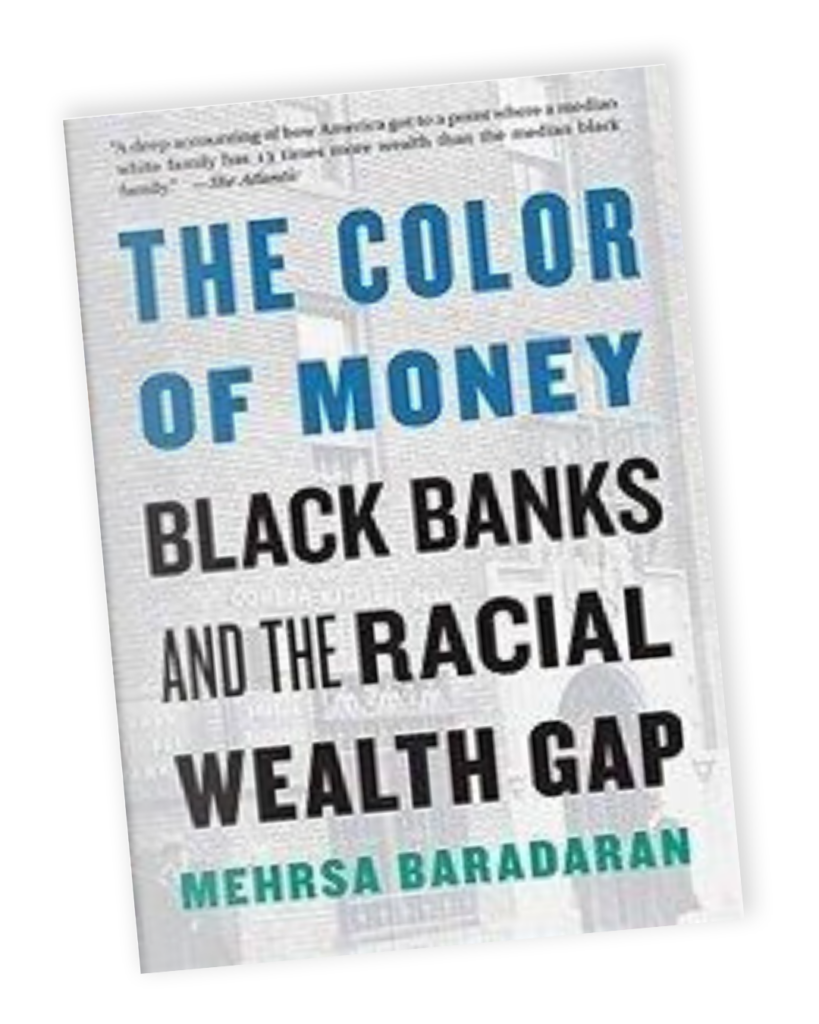
I’ve always heard that a major reason why the wealth gap exists between blacks and whites is that blacks do not keep their dollars by buying within their own communities. Mehrsa Baradaran’s The Color of Money: Black Banks and the Racial Wealth Gap dispels this myth that black communities could ever create wealth in a segregated economy. Baradaran connects the dots and shows how structural racism and the policies that have been laid out have resulted in racial wealth gap. This book is also a great one to listen to as an audio book if you want to easily understand the general themes.
Voter Suppression
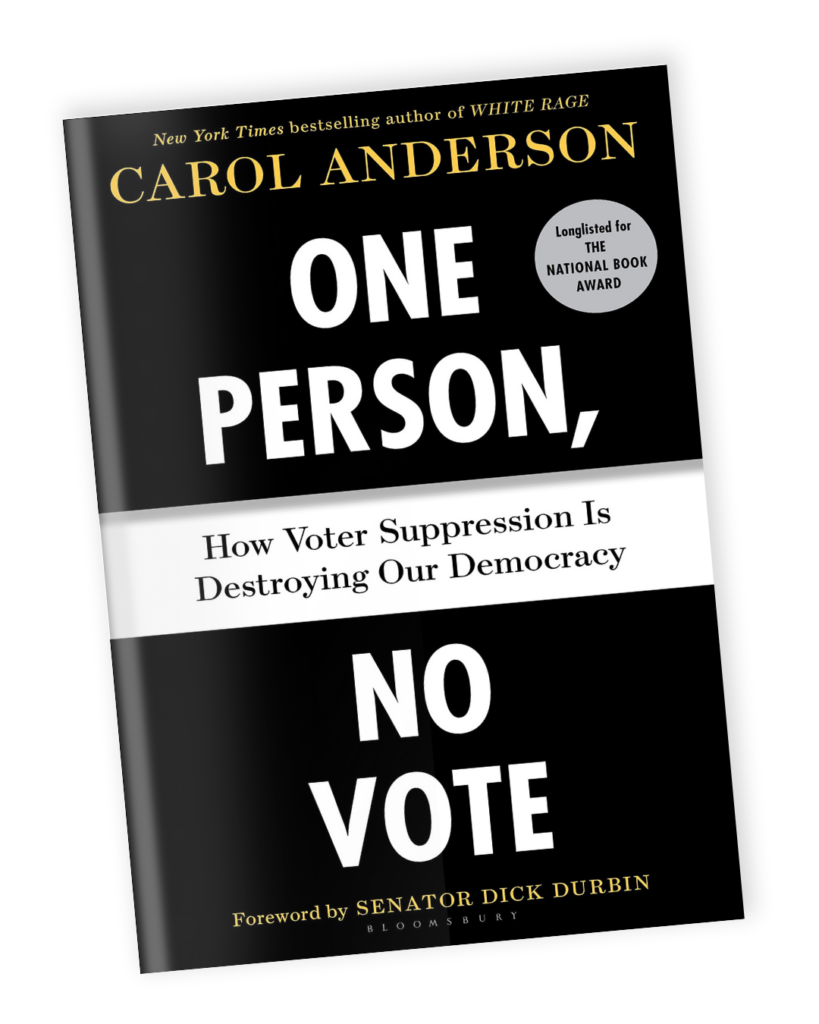
Stacey Abram’s work on voter suppression and Fair Fight greatly heightened my awareness about elections and voter rights. I have always suspected that the scenes of election rigging in Netflix’s House of Cards were close to the truth and will continue to learn more, so that I can do more to prevent it. Carol Anderson’s One Person, No Vote explains how voter suppression works (gerrymandering, poll closures, photo ID requirements) and explores how resistance can effectively work. Learning about the history of voter suppression is essential to voting rights activism today.
Criminal Justice Reform
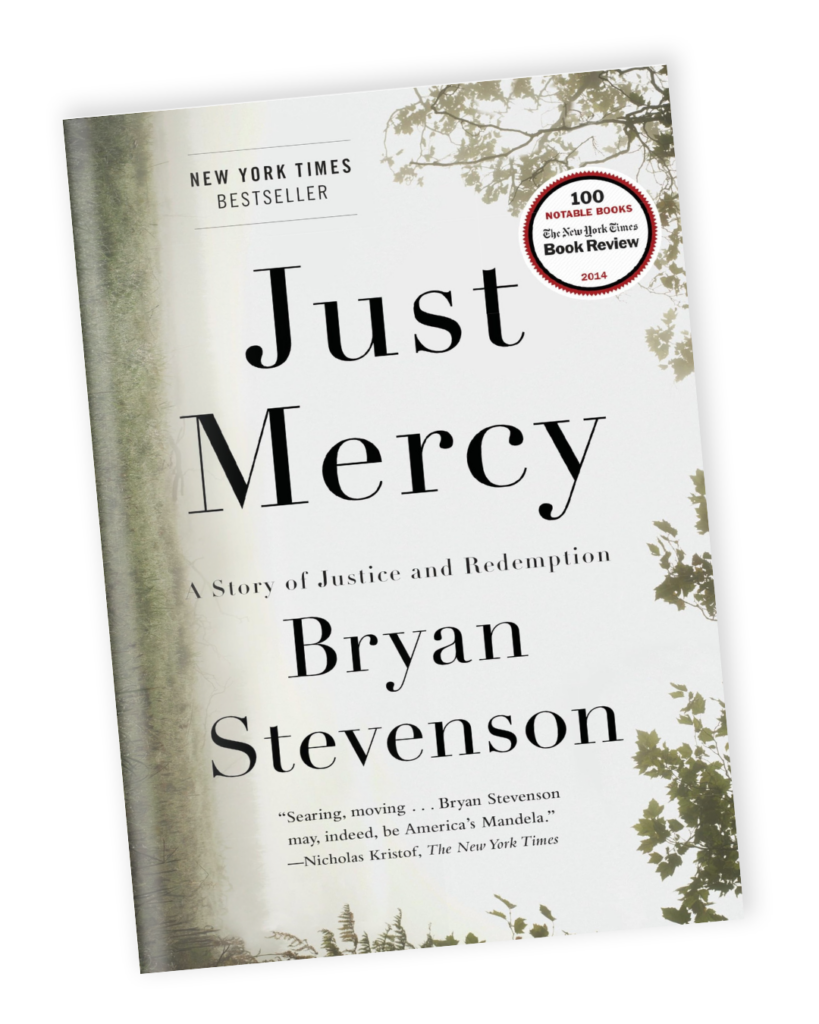
Bryan Stevenson’s Just Mercy is a stand-out among books those that show just how broken our criminal justice system is, especially for black and brown Americans. What makes this book a Getting To We pick is captured in the title. We all can exercise the gift of mercy toward someone who has done wrong and we all could use mercy when we have done wrong. Bryan Stevenson provides us with a pathway toward equal justice and just being better people. The book is a classic and so worth reading for the depth and nuances of the story that cannot be adequately captured even in such a great movie.
For a Deeper Dive
Connecting the Dots…
The Brookings Institute examines the black and white wealth gap with loads of data.
Discussion Highlights
“Love this list! It is ROCK SOLID! Thank you for being you Dr. Plummer! I’m spreading more word. Lotsa love from your old neighborhood…Forest Hill in East Cleveland Heights.” — Adele DiMarco
“What great recommendations! As an avid reader myself I’m always on the lookout for great books, especially when it comes to racial justice. My freshman year of college , my recommended reading was “Between the World and Me” by Ta-Nehisi Coates and it really opened my eyes to the racial disparities experienced by Black people. Thanks again for the recommendations. I’ll definitely put them on my list.” — Sara Espinosa
“These are such great book recommendations. This is a great place to start for anyone who is seeking to understand how racism is ingrained and operates throughout several sectors of both the public and private sectors of society.” — Raven Bailey
“Loving these book recommendations. As an urbanist, many of my closest friends work and study in the urban planning and community development fields. I’d love to see the book “The Color of Law” integrated into urban studies and urban planning programs – it seems like an essentially read for the urban studies related fields.” — Anonymous
“Thanks for your book recommendations! I just finished reading “Just Mercy” and look forward to watching it on Netflix this weekend. Another must-read I want to recommend is “Mindful of Race” by Ruth King. King takes a meditative and Buddhist approach to racial healing and awareness, much like Resmaa Menakem’s “My Grandmother’s Hands.”” — Dania Rivas
“George Floyd’s tragedy has caused us to feel a range of different emotions in the last few weeks. I’ve heard many of us ask, “what (more) can I do?” Reading books is a good place to start, especially for those of us who are book worms AND still under quarantine. I found these 6 brilliant books very relevant. Sometimes, we need to look back in order to move forward. Let us get to know the history, formation, and development of racial inequalities in the US. We can always learn more.” — Pricilla Cheung
“Excellent list of books. “Just Mercy” is now on Netflix.” — Marla Hunter
“Also Stamped from the Beginning – The History of Racist Ideas by Ibram X. Kendi” — Lara
Share


Be Part of the Movement Toward Getting to We.
Be part of a growing movement that uses the arts to build trust, empathy, and shared humanity.
Subscribe to our newsletter for new stories, events, and insights on bridging difference and strengthening connection.
Sign Up
Related Reading
Continue exploring reflections and stories that inspire trust, belonging, and understanding across our shared human experience.
Getting To We Books for 2025
These books for 2025 provide ideas and inspiration to help transform division into connection in everyday life and across communities.
Read More
The Power of Memory Work: Learning from the Germans
Memory work helps societies confront past injustices. Learn how Germany’s approach can inspire reflection, accountability, and growth in our own...
Read More
Let’s Keep Talking About Racism: 10 Tips for How to Do That
Talking about racism is challenging, yet essential. These ten tips provide guidance for continuing conversations in productive, meaningful ways.
Read More
Comments
Comments