
Race, Identity & the Writer's Craft
Can We Be Friends? White Women and Women of Color in Conversation About Race
Deborah Plummer
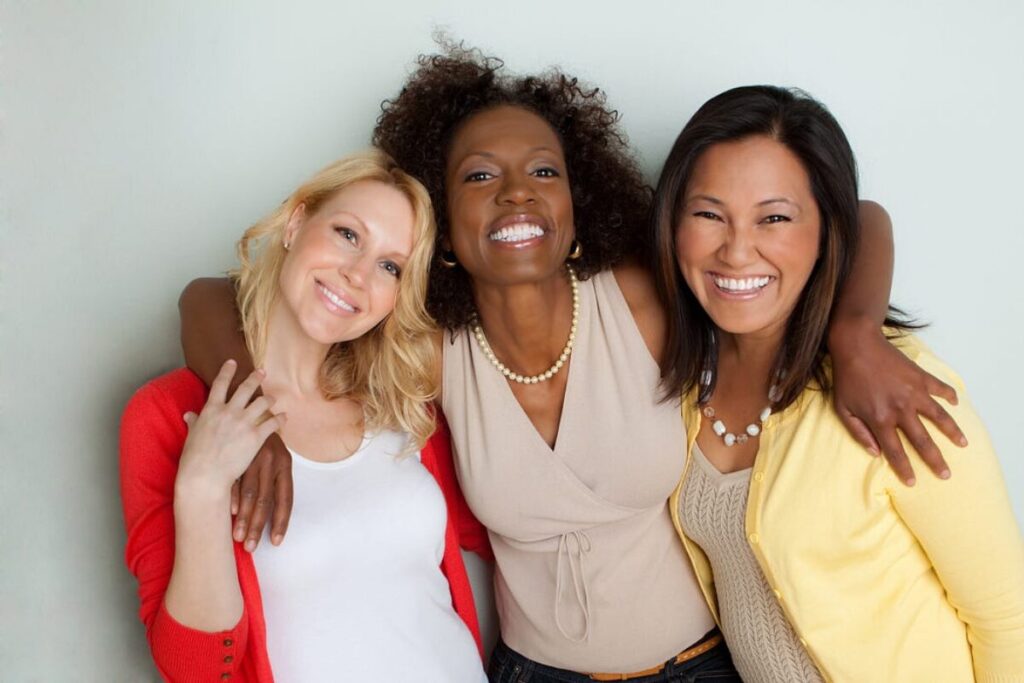
I am still a bit exasperated with Ellie McGinty. Ellie is a fictional character in The Daughters of Erietown, Pulitzer Prize-winning writer Connie Schultz’s novel about four generations of women in a working class family set over several decades. Even though Ellie is a fictional character, she lives in the personalities of many White women I know.
Two different book clubs that I belong to choose The Daughters of Erietown for our monthly discussion. Both members in each book club found Ellie to be very relatable. They applauded her courage in working to define herself outside of the constraints of being trapped as a housewife in a complicated marriage. In their reading, my friends experienced Ellie as insightful, while I had turned pages frustrated by how weak and passive she seemed to be. Sometimes while reading the book, I even rolled my eyes and said out loud, “Girl, please!”
My fellow book club members, all White women in attendance, discussed Ellie’s identity development and the actions she took to align her behaviors with her authentic self. I had written in my notes that Ellie may have gotten a job and made plans to move but those were just external changes; she hadn’t really changed at all. I was frustrated with how Ellie handled just about every aspect of her life and my fellow book clubs members (and hundreds of other reviewers of the book, by the way) found her inspiring.
I listened to these book discussions and was clearly the outlier in how I experienced Ellie. Overall, one fact that we could agree on was that Schultz’s masterful writing style had made this character very real. Real for me meant that she was a stereotypic White woman.
What I’ve Learned About Trusting White Women
I grew up learning that it wasn’t wise to trust White women. They had a long history of using their passivity and victimhood against Blacks, particularly Black men. I was warned not to be friends with White women because sooner or later the race thing would get in the way and they wouldn’t have your back.
In the workplace, I had witnessed White women vocally espouse women’s rights, but then not speak up in a meeting when a microaggression was hurled at a Woman of Color. I also knew that White men understood White women better than Women of Color; after all, they shared the same race as their mothers, sisters, wives, and daughters. These personal relationships with White women in their everyday lives rendered White men more comfortable with mentoring and supporting White women more so than Women of Color, particularly Black women who were often perceived to be outspoken, angry, or aggressive. As a result, White women could curry favor with White men for salary information and other important tips for promotional opportunities and gaining positional power. Most often, this information was not shared with anyone, or only shared with trusted White women colleagues. Even in inclusive organizations, White women are reportedly experienced as not being supportive of Women of Color. Racial identity always seems to trump gender solidarity.
Until these positional differences are acknowledged, we will never be able to meaningfully connect with one another as Women of Color and White Women. We have been trying to meaningfully connect for centuries and somehow it is like we are still getting introduced to each other, or maybe we just want to remain acquaintances.
Especially today, White women and Women of Color need to meaningfully connect. In our divided society where preserving Whiteness is pitted against the loss of traditional values, a peaceful, prosperous lifestyle, and all things good and wonderful, White women can be tempted to focus only on our gender commonalities rather than our racial differences. However, the work is to find synergy in our commonalities and in our differences, otherwise the cement of racial and gender inequities will continue to harden. We need to be reintroduced to each other and move beyond acquaintances to trusted friends.
Over time, I have learned that you could trust those White women who understood that the best way for us to connect is by honoring the nuanced racial dynamics of how White Women and Women of Color are experienced and treated in the larger society. You could trust White women who acknowledged the impact of the long history of racial injustices and who recognized the inequity patterns that exist today in housing segregation, wealth creation, education, healthcare, voting rights, and in the criminal justice system.
In Conversation with Ellie McGinty
If Ellie were a real person, I would get to know her and blow past all the White women stereotypes that I hold. I would let her know what behaviors I thought dropped her into my “White women stereotype bucket,” and talk about the impact on my life from what was in that bucket. I would want her to experience me fully as a Black woman, and acknowledge the conscious and unconscious racial biases that she holds. I would ask her to tell me about how she perceives me as a Black woman. I would remain curious about what informed her perceptions.
In further conversations, we would explore the differences between how Whites and BIPOC (Black, Indigenous, People of Color) are treated. We would talk about how racism makes it easier for her family to survive as working class than for BIPOC working class families. We would talk about how racial bias enters the hiring process and how organizations tend to hire for cultural fit which makes it more challenging for BIPOC individuals who are not viewed as the organizational prototype. We would talk about the makeup of our neighborhoods and how they weren’t segregated simply because everyone liked to be with their own kind. We would talk about voter suppression as opposed to the myth of voter fraud and how White folks are reacting with fear to the changing demographics and a time when they will no longer be the majority race. We would share our experiences with access to healthcare and discuss the different treatment and outcomes we’ve received. We would talk about police brutality and how if affects Black men and women. We would talk about differences in prison sentencing for the same crimes for Blacks and Whites. We would talk about the education curricula and the differences in disciplinary practices for Black children.
Ellie would react to these inequities and disparities not with tears or sympathy, but would turn that emotional energy into racial stamina that would fuel her commitment as an antiracist. Ellie would use her racial privilege not as a power grab or as a one up over Women of Color, but she would leverage her privilege for mutual benefit. She would recognize and interrupt derogatory racial remarks especially when BIPOC individuals weren’t present. She would ask questions, check sources, read and learn about history in its full accuracy so that she could unravel assumptions about contemporary race issues.
Ellie would understand systemic racism and enter conversations about racism with courage and accountability. She might feel, at first, that there was little she could do to eliminate racial inequities, but over time she would understand the power of White influence and her capacity to affect other White people and sway negative opinions of BIPOC that were based solely on racial bias. She would use her White influence often enough that others would clearly know that she is antiracist.
Ellie and I would talk about skin color and hair and delight in the many shades and textures of beauty. We would talk about how we are not defined as women by any gender role boundaries. We would share the excitement of determining what success means in our lives. We would share the joy of laughing together. We would speak and act out of our core identity as humans and become better humans for each other.
We would have long conversations about our power as women. I would share with her that because of racism, Black women have had to dig deep within ourselves to find that power and how that has made us both fiercely independent and lovingly dependent on other Black women. We would share our stories as women of power and become even more powerful. As White women and Women of Color, we would tap into the power of our sisterhood and rule the world.
Moving Forward
Let’s keep the conversation going! Here’s a 20-minute video of a conversation on the intersectionality of race and gender that I had with my trusted friend and fellow psychologist, Lori Stevic-Rust. You can use this conversation starter with your friends or in your work settings. #GettingToWe
Share


Be Part of the Movement Toward Getting to We.
Be part of a growing movement that uses the arts to build trust, empathy, and shared humanity.
Subscribe to our newsletter for new stories, events, and insights on bridging difference and strengthening connection.
Sign Up
Related Reading
Continue exploring reflections and stories that inspire trust, belonging, and understanding across our shared human experience.
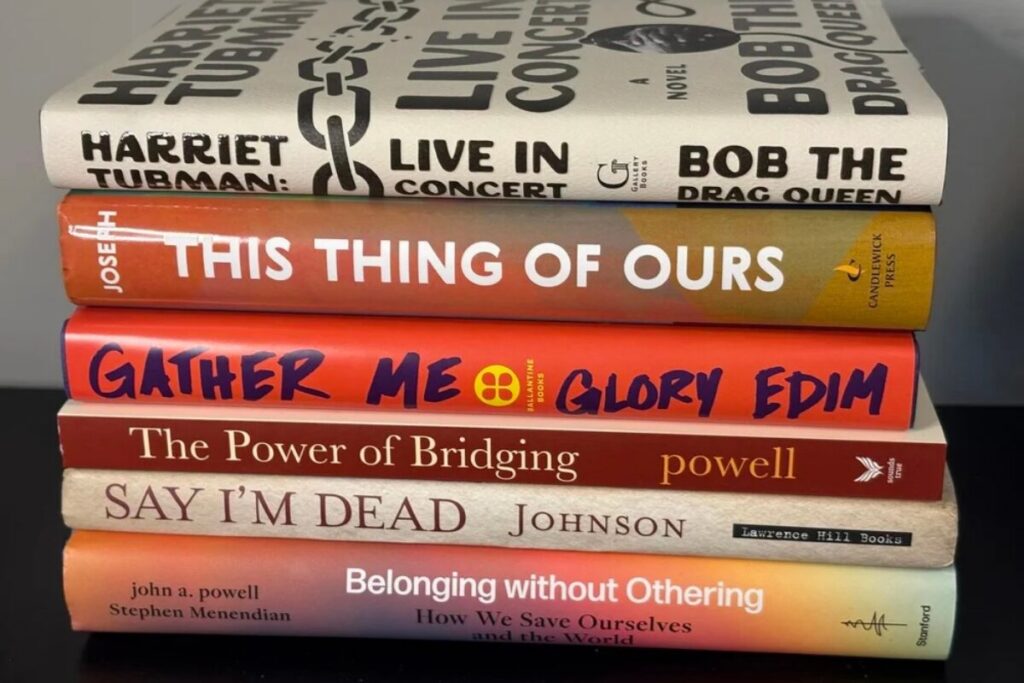
Getting To We Books for 2025
These books for 2025 provide ideas and inspiration to help transform division into connection in everyday life and across communities.
Read More
The Power of Memory Work: Learning from the Germans
Memory work helps societies confront past injustices. Learn how Germany’s approach can inspire reflection, accountability, and growth in our own...
Read More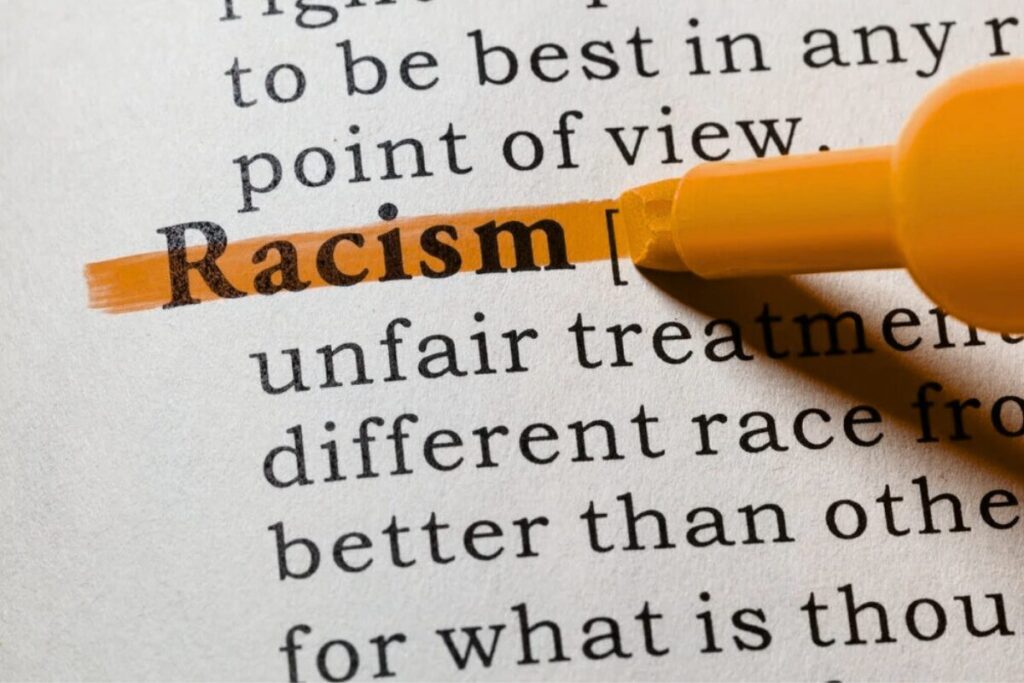
Let’s Keep Talking About Racism: 10 Tips for How to Do That
Talking about racism is challenging, yet essential. These ten tips provide guidance for continuing conversations in productive, meaningful ways.
Read More
Comments
Comments