
Micro Moments
How is Calling the Coronavirus the China Virus Racist?
Getting To We
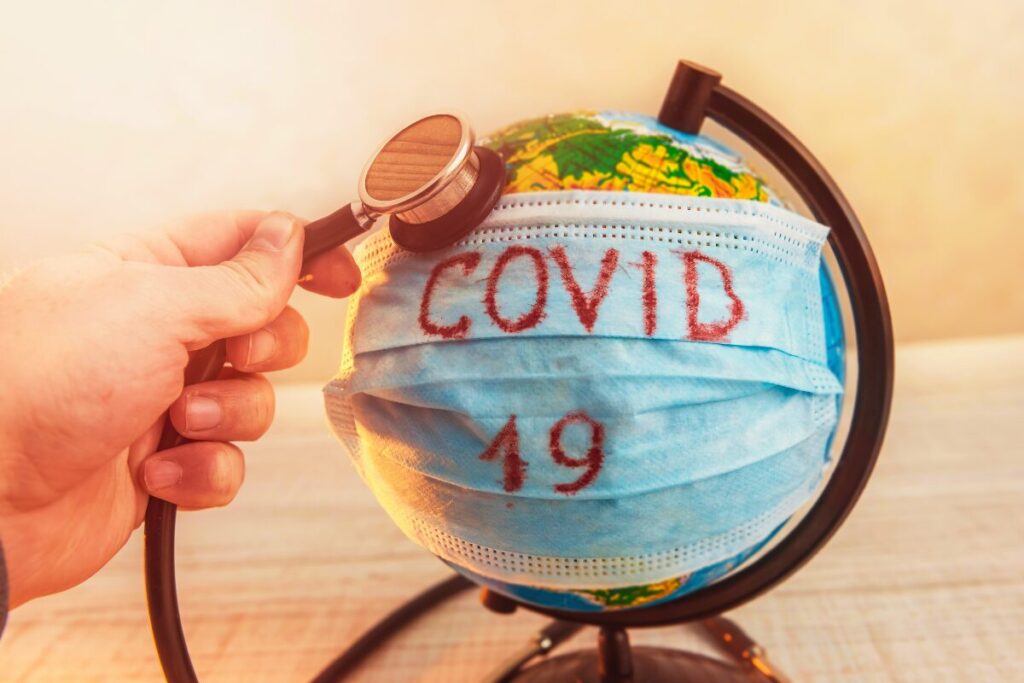
It is first important to understand that there are many form of racism (see isms matrix completed) and intentionally calling Covid19 the China Virus is a modern form of racism. Modern forms of racism are far more nuanced and layered than traditional forms such as the 2017 Unite the Right Rally in Charlottesville; however, the negative impact on the targeted population is the same. The World Health Organization and Center for Disease Control and Prevention have repeatedly encouraged people to call the disease by its scientific name, Covid19. Calling it the “China Virus” breeds xenophobia and and has a real impact on Asian Americans harming their psychological and physical safety. For more context and background, check out Facing History and Ourselves resources for educators.
Discussion Highlights
Readers highlighted how naming the virus after a geographic or ethnic group contributes to xenophobia and harms Asian communities. Comments focus on the broader implications of language and its real-world impact on safety and social perception.
“I think it is called ‘Chinese virus’ not so much ‘China virus’ which presents a greater problem. China is a country name, one can argue that the virus comes from that geographic place, which I do not agree a virus should be named according to a place. However ‘Chinese’ means SO MUCH more – the Chinese language, ethnically Chinese people, which include Hongkongers, Taiwanese, Chinese Malaysians, Chinese Singaporeans, Chinese American, etc. Which is not fair to these people who have zero association with the virus itself and where the virus was first found. I myself as an ethnically-Chinese Hongkonger-American am deeply impacted by this label. I was talking with a friend who is 100% Japanese living in Japan, she also said she felt so unfair that all other Asians got pulled into this for no reason. She even said she was afraid to travel again even after corona, not know how people in Western countries would react to her Asian face.” — Pricilla Cheung
Share


Be Part of the Movement Toward Getting to We.
Be part of a growing movement that uses the arts to build trust, empathy, and shared humanity.
Subscribe to our newsletter for new stories, events, and insights on bridging difference and strengthening connection.
Sign Up
Related Reading
Continue exploring reflections and stories that inspire trust, belonging, and understanding across our shared human experience.
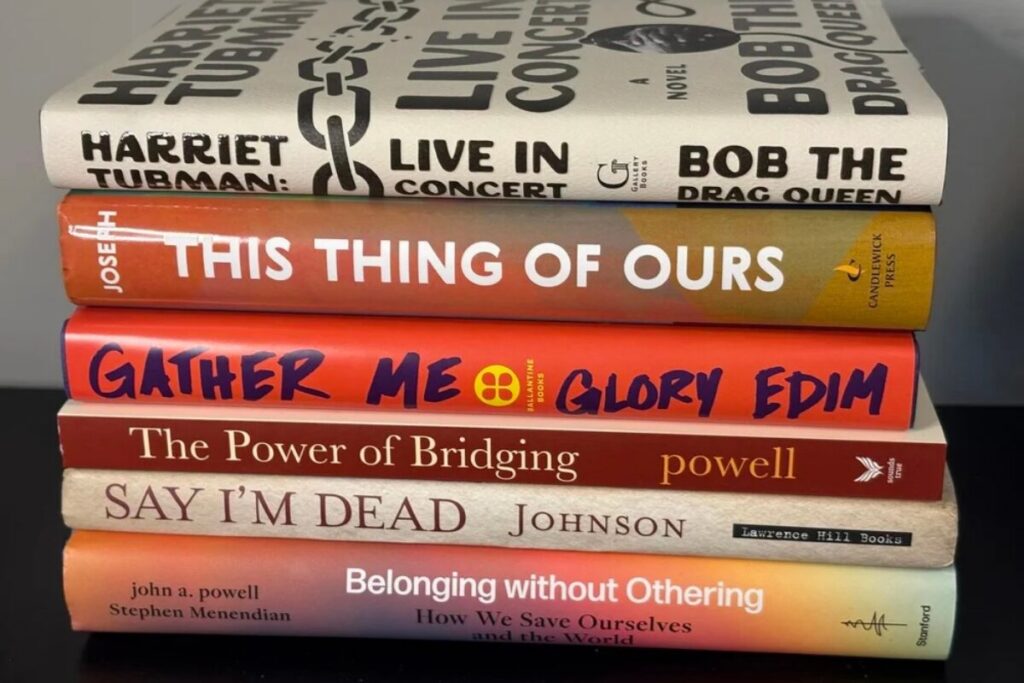
Getting To We Books for 2025
These books for 2025 provide ideas and inspiration to help transform division into connection in everyday life and across communities.
Read More
The Power of Memory Work: Learning from the Germans
Memory work helps societies confront past injustices. Learn how Germany’s approach can inspire reflection, accountability, and growth in our own...
Read More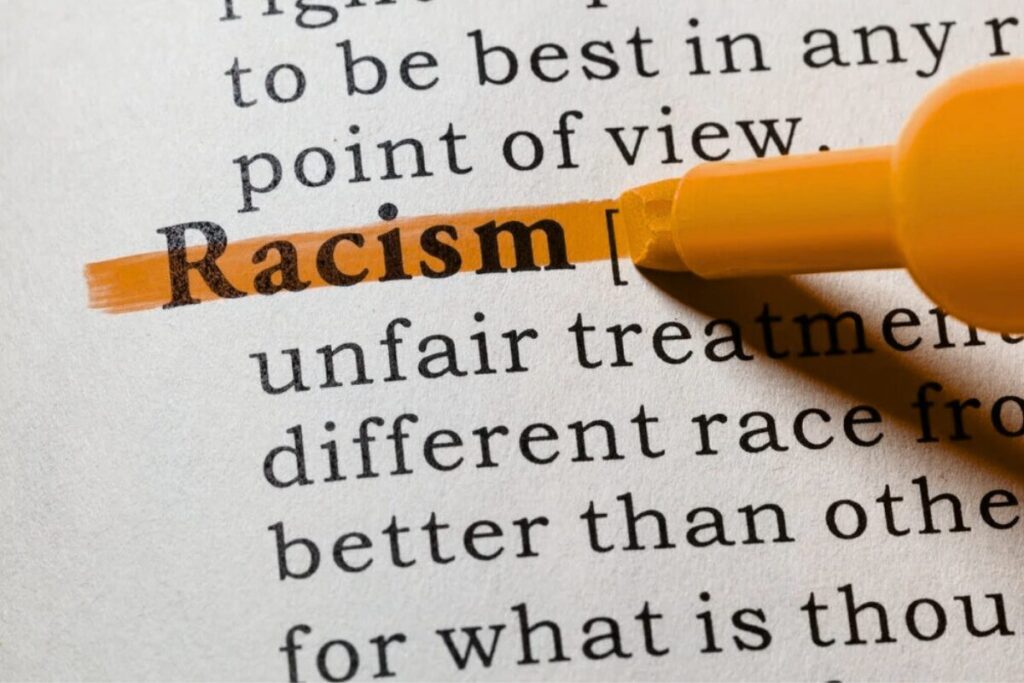
Let’s Keep Talking About Racism: 10 Tips for How to Do That
Talking about racism is challenging, yet essential. These ten tips provide guidance for continuing conversations in productive, meaningful ways.
Read More
Comments
Comments