
Micro Moments
What Questions Can I Ask To Ensure My Organization is Dismantling Its Systemic Racism?
Getting To We

This is a great question! Because systemic racism does not always have an identifiable, individual perpetrator, it lives in an organization in its policies, practices, and procedures that work to keep the status quo and to benefit Whites. Here are some questions you can ask to explore how your organization is addressing and eradicating systemic racism:
- Executive Leadership: What is the racial make-up of the senior leadership team and the board of the organization? Are there People of Color, particularly Blacks, in roles outside of Human Resources and the Chief Diversity & Inclusion Officer?
- Culture of Impact vs Culture of Fit: Are the hiring and promotion practices focused on creating a culture of fit designed around who can get along best with the current administration and who fits the existing organizational culture… or do the hiring and promotion practices focus on building a culture of impact by hiring those who are aligned with the organization’s current needs and who can best achieve the mission and meet the business objectives?
- Accountability: What measures are in place to ensure that equity goals are being achieved? Are there any consequences for not meeting stated goals?
- Transparency: Are policies openly known and understood, visible and communicated to everyone, and consistently applied to every employee?
- Responsiveness: When a racially-charged complaint is made, are the investigators knowledgeable and competent in managing racial dynamics? How is their competency determined and evaluated? What are the number of complaints of racism? Are these tracked? How are complainants protected?
- Education: Does the organization have specific antiracism training for leadership and training that is available to the entire workforce?
- Resources: What financial resources are being devoted to achieving racial equity within the organization and within the communities that the organization serves?
- Approach: Are Blacks and other People of Color experienced as the problem or as problem solvers? Are racial differences treated as a threat to be feared, or is everyone engaged with learning how to build the competencies necessary to leverage racial differences to enhance productivity and creativity? Are Whites engaged, supported, and encouraged to do their own racial identity work and explore their race’s impact on their thinking, behavior, decision-making and governance within the organization?
- Sustainability: Does the work and investment on racial equity extend beyond a written communication and company statement? Is racial equity specifically named and included in strategic plans? What organizational structures are in place to support sustainability?
Discussion Highlights
Readers appreciated the practical guidance for organizational leaders to address systemic racism, highlighting the importance of representation, transparency, and structural changes. Emphasis was placed on meaningful action beyond surface-level initiatives.
“This is a great guide for companies and organizations to follow to make sure they are making tangible efforts towards equity and inclusion and ensuring that they are making a difference beyond ‘cute’ marketing campaigns. I’m really glad you mentioned the importance of representation and the need to continuously maintain the structural and cultural changes. There is always more work to be done!” — Raven Bailey
“Good points! I think transparency and also making sure everyone is aware of the goals and have a common language to talk about it is very important. For #1, I think this is tricky for many companies because even though a company is really committed to ED&I, it doesn’t mean you can randomly fire a senior management person just because he/she is white. I think placing POC in leadership position is absolutely important, but that takes time and planning. One recommendation I learned from my recent reading is to shift the focus to building up ‘diversity in the internal talent pipeline…(which) can keep offering top talent and replenishing it as it inevitably moves on.’” — Pricilla Cheung
“Great point…it is not just about representation but how does that representation fundamentally change how the organization practices for the good of the whole and achieving its mission and driving business objectives.” — Deborah L Plummer
Share


Be Part of the Movement Toward Getting to We.
Be part of a growing movement that uses the arts to build trust, empathy, and shared humanity.
Subscribe to our newsletter for new stories, events, and insights on bridging difference and strengthening connection.
Sign Up
Related Reading
Continue exploring reflections and stories that inspire trust, belonging, and understanding across our shared human experience.
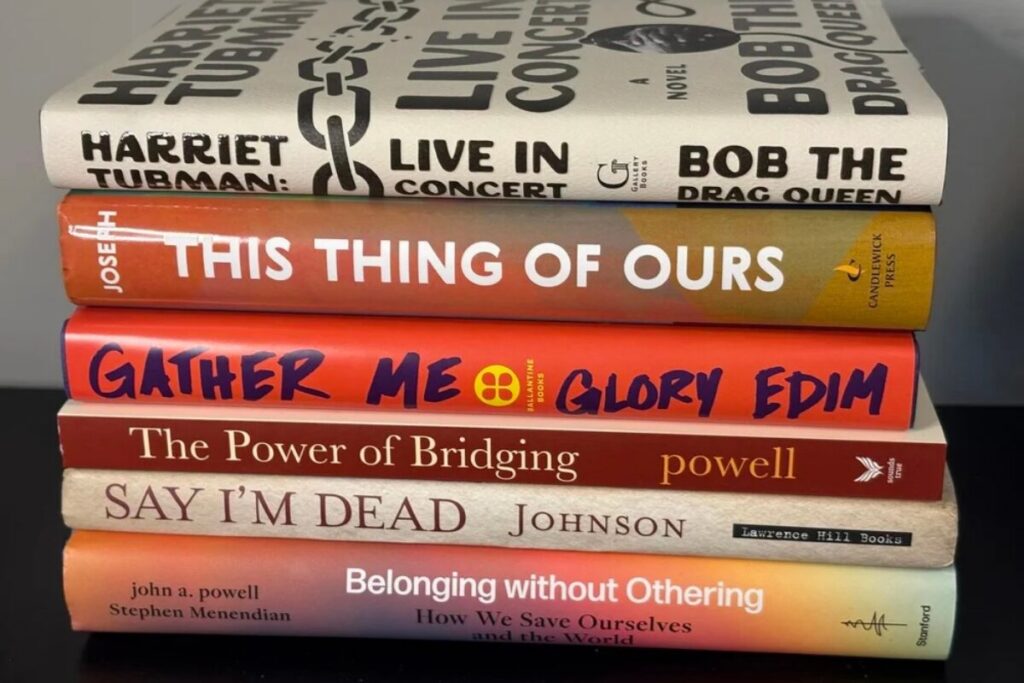
Getting To We Books for 2025
These books for 2025 provide ideas and inspiration to help transform division into connection in everyday life and across communities.
Read More
The Power of Memory Work: Learning from the Germans
Memory work helps societies confront past injustices. Learn how Germany’s approach can inspire reflection, accountability, and growth in our own...
Read More
Let’s Keep Talking About Racism: 10 Tips for How to Do That
Talking about racism is challenging, yet essential. These ten tips provide guidance for continuing conversations in productive, meaningful ways.
Read More
Comments
Comments