
Race, Identity & Beyond
The God I Know: Finding Faith in Each Other
Getting To We
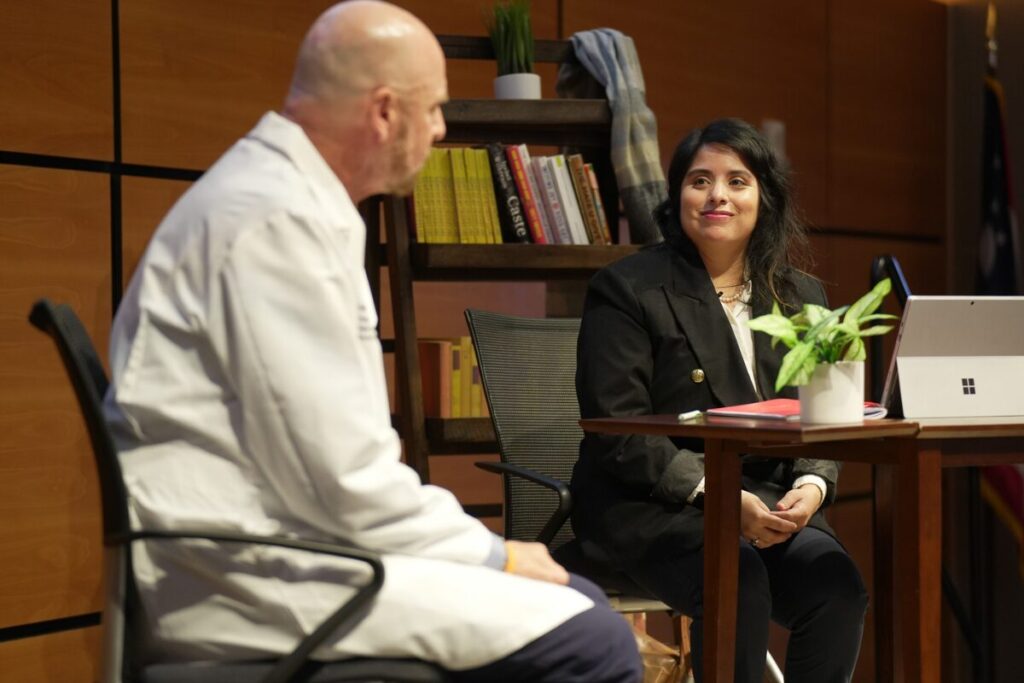
The God I Know is a Film Theater Experience that explores the interface of personal and religious identity. As Inclusion & Belonging Edutainment™ its goal is to spark meaningful conversation about religion in the public space and the intersection of religious liberty, freedom of speech, and separation of church and state. It is timely in its presentation, as Christian Nationalism is actively being introduced in American democracy. A rallying cry for love without boundaries, compassion, and moral clarity for anyone of faith and anyone who believes in democracy.
Communities across the country are bringing The God I Know to life—using performance and guided discussion to open dialogue about trust, justice, and faith in action. These events remind us that spiritual connection and social connection are not separate—they are one and the same.
The film theater experience is
also available on YouTube:
Bring The God I Know to Your Community
Host an Inclusion & Belonging Edutainment™ Experience Where You Live

Churches, universities, and community centers are hosting performances that blend art and reflection, helping audiences explore faith through empathy and relationship. To bring a live performance to your community, contact us info@gettingtowe.org
How does your faith shape the way you build trust with others?
View the film theater experience of The God I Know with your community. Essential to these edutainment experiences is the post show discussion. Here are some discussion questions to keep the conversation moving and enrich the learning:
- Why was it important for your community to see this play?
- There’s another prominent character in the play, Tyler, who is nonbinary and religious but does not appear as an actor. Why do you think the playwright’s message is not having Tyler as a physical character? What message do you think Tyler holds for religious communities and faith in general?
- The character Betty states that Christian Nationalism is a form of White Supremacy, yet some Black and Brown Americans support it. Why do you think that is?
- People who endorse Christian Nationalism make up about 30% of the U.S. but two-thirds of the Supreme Court. What are the implications of these numbers?
- Contrary to what some people might think, Christian nationalist adherents and sympathizers aren’t just baby boomers. Gen Z right wing activists are very engaged in Christian Nationalism and believe they are fighting for their faith and saving our democracy from a liberalism that takes us away from Gospel values. Your thoughts?
Share


Be Part of the Movement Toward Getting to We.
Be part of a growing movement that uses the arts to build trust, empathy, and shared humanity.
Subscribe to our newsletter for new stories, events, and insights on bridging difference and strengthening connection.
Sign Up
Related Reading
Continue exploring reflections and stories that inspire trust, belonging, and understanding across our shared human experience.

Words Create Worlds: How Language Shapes Belonging
The language we use builds inclusion—or division. Learn how words shape belonging and influence how we relate to one another...
Read More
What Questions Can I Ask To Ensure My Organization is Dismantling Its Systemic Racism?
Addressing systemic racism starts with questions. Here are practical prompts for evaluating your organization’s policies, culture, and accountability.
Read More
A Message From Your Safe Black Friends
Having White friends can be exhausting, here’s ten things Whites can do to gain racial stamina and forward more enlightened...
Read More
Getting To We Books for 2026
These books for 2026 provide ideas and inspiration to help transform division into connection in everyday life and across communities.
Read More
Beyond Diversity Training: Building Trust in Real Time
Diversity training starts the conversation, but trust is built in the follow-through. Here’s how small actions after training create real...
Read More
Comments
Comments