Donate now and together we’ll turn us and them into we. We also accept stock donations!

Words Create Worlds: How Language Shapes Belonging

Language is the architecture of connection. The words we choose determine who feels seen, who feels excluded, and how deeply we trust one another.

At Getting to We, we view language as a tool for belonging. Our words carry values—whether we acknowledge it or not. A casual comment can close a door; an intentional phrase can open one.

We teach teams and communities to listen to their own language: Who does this include? Who does it silence? What assumptions lie within it?

Each reflection becomes an opportunity to align speech with empathy.

Inclusion begins in the sentences we speak. By choosing words that reflect care, curiosity, and respect, we create spaces where everyone belongs—and that’s where transformation begins.

Words Create Worlds Award

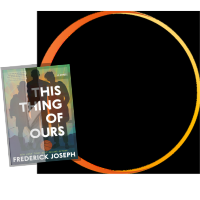
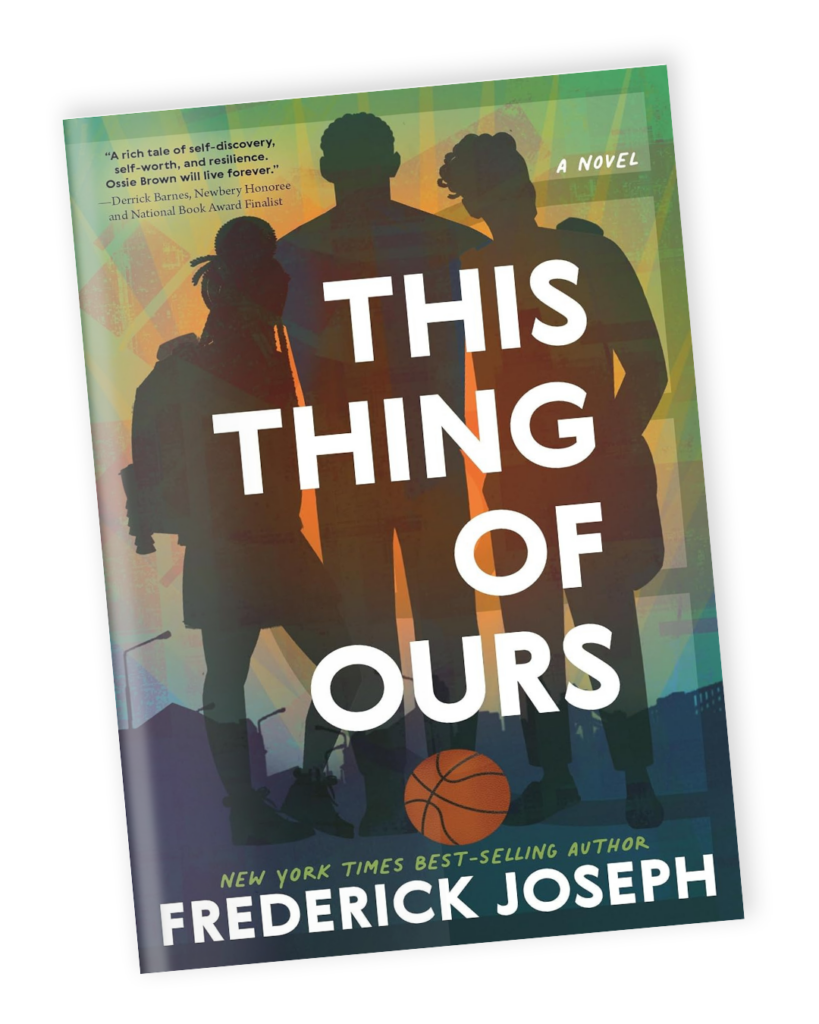
Congratulations to 2025 Words Create Worlds Award recipient Frederick Joseph, Author of This Thing of Ours. Joseph’s writing is timely in its presentation as a rallying cry for injustice that comes from the voices of young adults who meet the challenges of the time with real courage and as models for what it means to be an upstander.  

The book’s themes elevate the power of storytelling and the written word in such a refreshing way in an era where social media often presents ideas in fragmented, biased ways that flatten the nuances inherent in these complex issues.  

As a YA book with adult themes, it’s accessible across all ages and one that can and should be discussed in schools and universities, across family dinner tables, and in every kind of book club from traditional to “boozy” book clubs.

Past Award Recipients

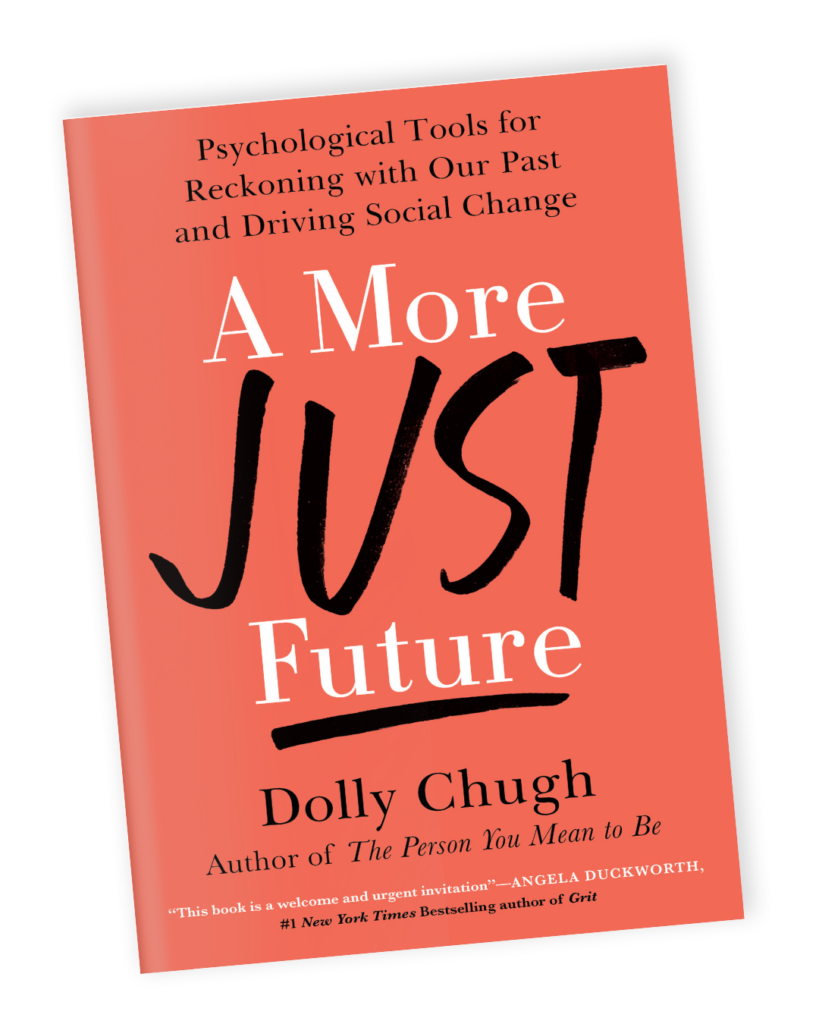
Dolly Chugh, A More Just Future

Dolly Chugh, A More Just Future

Jonathan Eig,  MLK: A Life

Jonathan Eig, MLK: A Life

Christine Pride and Jo Piazza,  We Are Not Like Them

Christine Pride and Jo Piazza, We Are Not Like Them

We encourage nominations of writers whose work inspires us to practice Me to We skills.

How have words shaped your sense of belonging? Share your reflection below.

Getting To We Books for 2025

Here are some great reads for 2025 that inspire us to turn us and them into WE in places where we live, work, serve, worship, and socialize.
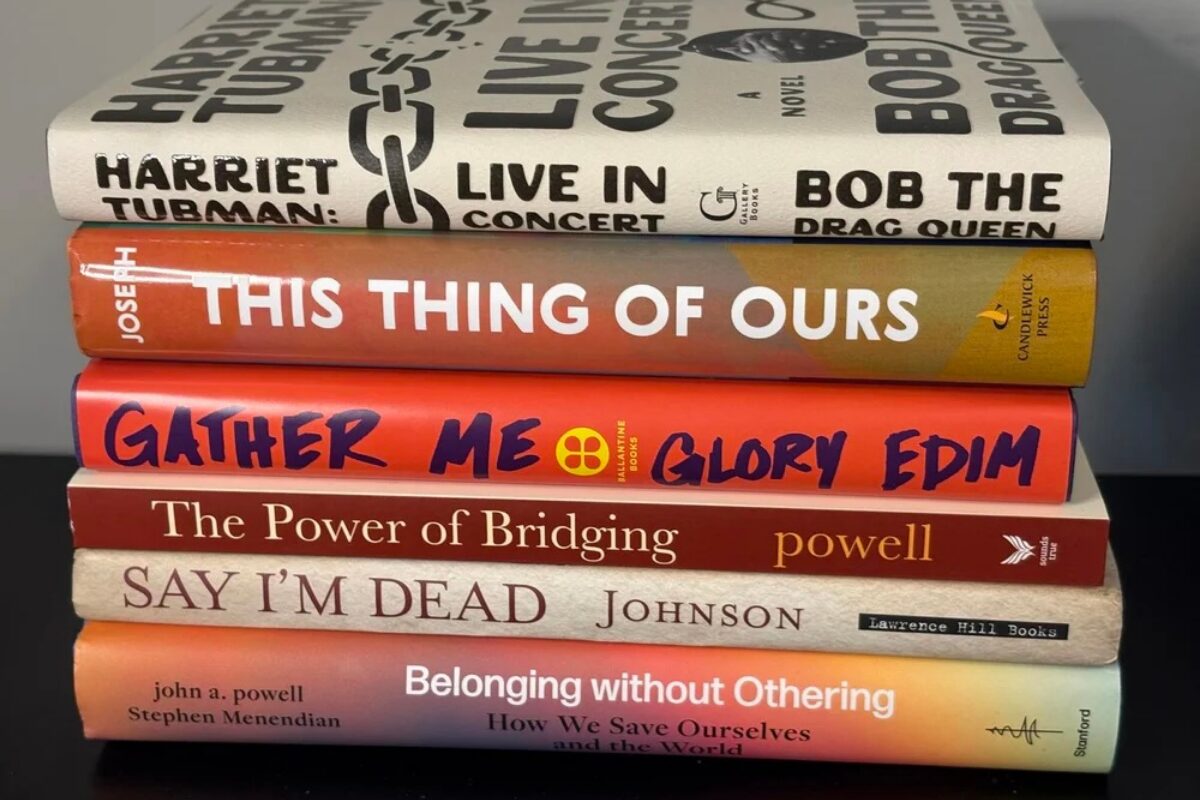
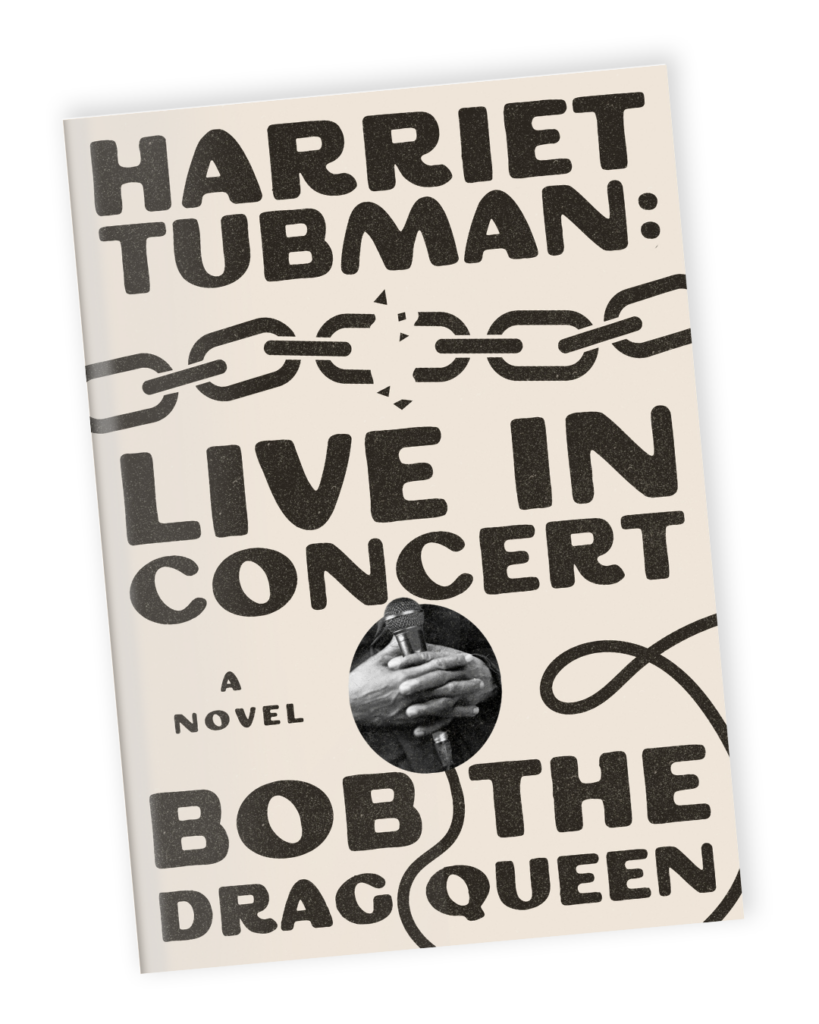
Harriet Tubman: Live in Concert by Bob the Drag Queen

If the title and author makes you go ‘Hmmmm…” then reading this book will make you go “WOW”. With creativity, wit and brilliance by author Bob the Drag Queen, historical abolitionist Harriet Tubman magically comes back and wants to create a hip-hop album and live show about her life . She engages Darnell, a hip-hop producer and song writer who once was on the top of the charts until he is backstabbed in the industry. Together, Darnell and Harriet and her team of musicians remix history in a way that you will learn, laugh and be in awe.

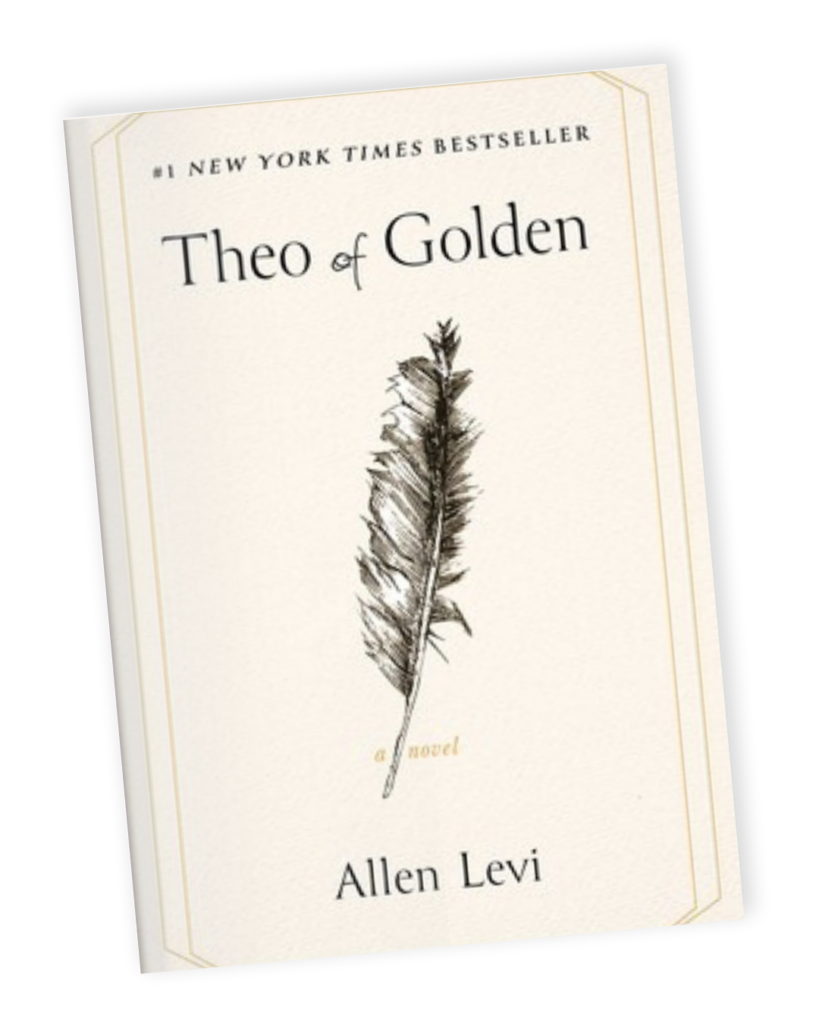
This Thing of Ours by Frederick Joseph

This is a YA (young adult age 12-18) novel with themes that resonate with adults from 18 through seniors. Seventeen-year-old Ossie Brown, was once the future LeBron James at his affluent, predominately
White private school until a torn ACL ends his basketball career . With the help of a Black teacher he pivots to a prestigious Mark Twain Writing Program in the school. Told through powerful conversations and with scenes that put the reader in them, Ossie is deluged by the flood of anti-woke students and parents. The revolution and resolution will give you hope for the future and confidence in Generation Z.

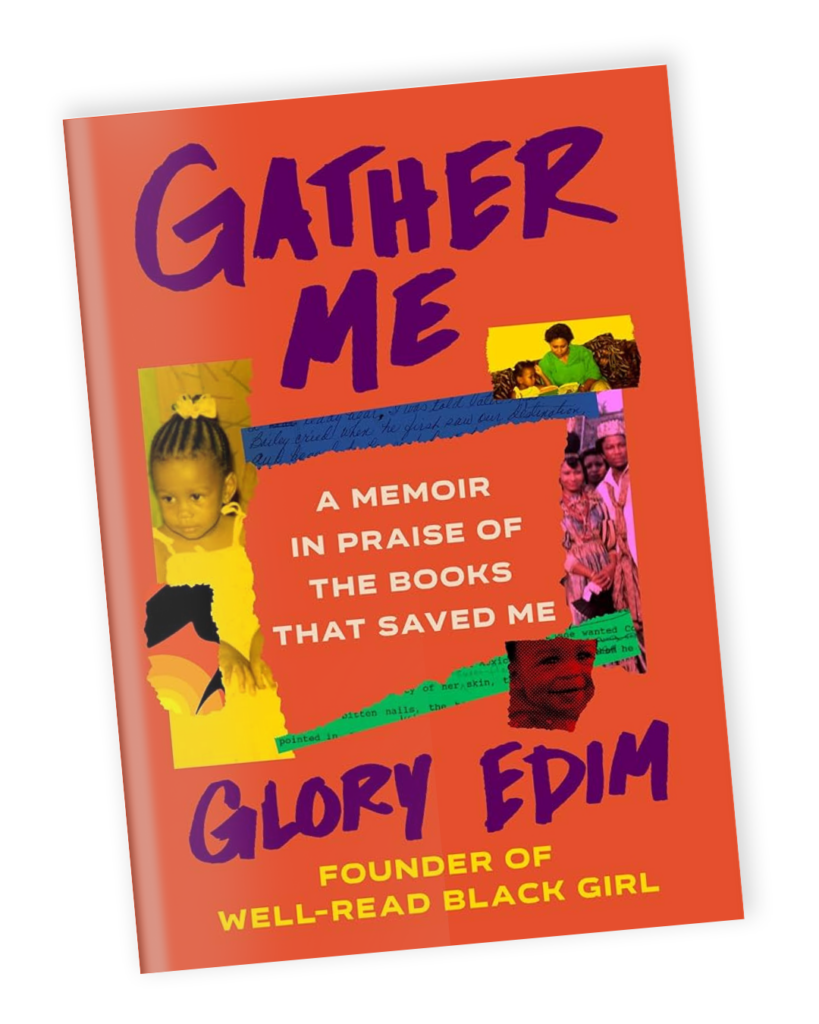
Gather Me: A Memoir in Praise of the Books That Saved Me by Glory Edim

Great memoirs have a relatable narrator, a strong narrative arc, vivid scenes, and a clear thematic focus, all presented with honesty and vulnerability. Give Glory Edim an A+. Edim is the founder of Well Read Black Girl, a literary community dedicated to Black women. The anthology of the same name and her memoir resonate with anyone who is a book lover, has experienced the career challenges, gone through a few relationship issues, knows the ups and downs of parenting and just getting through life.,

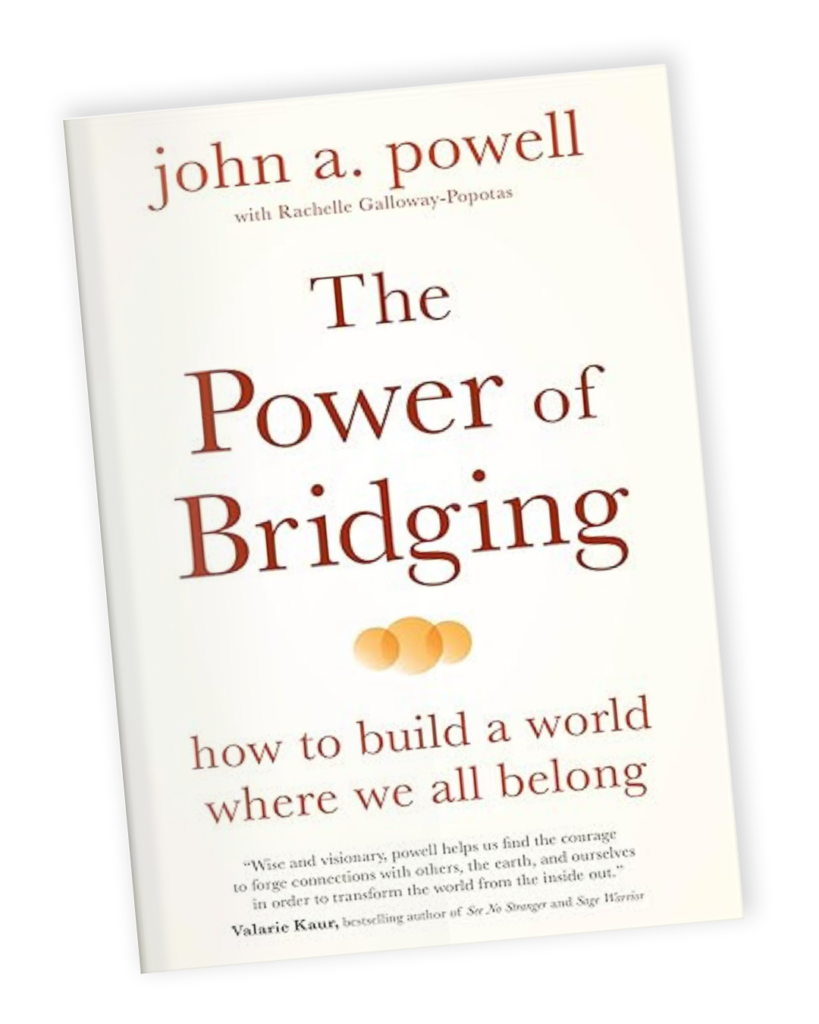
The Power of Bridging: How to Build a World Where We All Belong by john a.powell

john a. powell, Director of the Othering & Belonging Institute at U.S. Berkeley, describes bridging as “a salve for out fractured world.” In this instructive and inspiring book he shares his own journey to belonging, helps us to understand just exactly what is belonging. He makes a strong argument for the power of bridging and how to be a breeder in today’s polarizing society. This book could not be more aligned with Getting To We’s mission, vision and values.

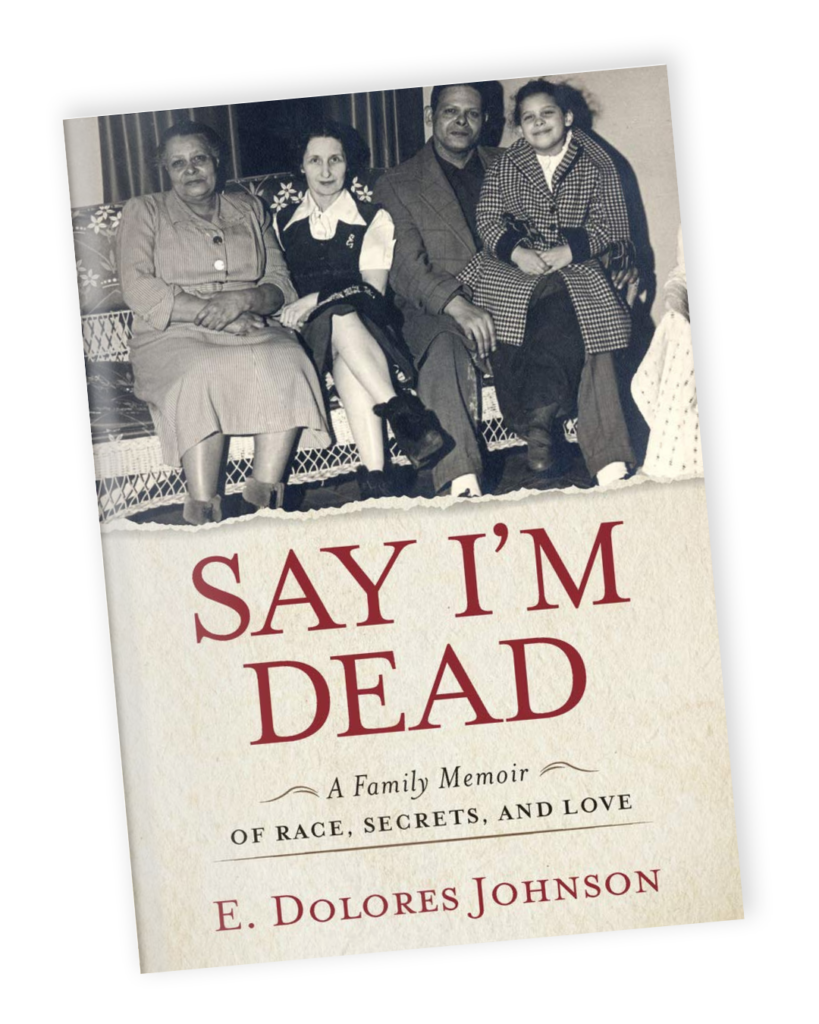
Say I’m Dead: A Family Memoir of Race, Secrets, and Love by E. Dolores Johnson

Today, in the U.S., about 17% of newlyweds are in interracial marriages.. That’s 1 in 6, a significant increase from the time when Johnson’s parents married in 1942.. I have had this book on my shelf for years and picked it up now with the hope that it would have rich nuggets for how we come together across racial lines on an interpersonal level that would lead to a positive impact on a group and societal level. This book doesn’t disappoint. With instructions to say that she “was dead,” Johnson’s White mother reluctantly gives her permission to research the White side of her family in her effort to understand her racial identity as an adult biracial woman. Successful by every other marker in her adult developmental process, having this information is critical to her understanding of her full identity. Through her racial identity resolution process Johnson demonstrates the power of truth and reconciliation.

Belonging Without Othering: How We Save Ourselves and the World by john a.powell and Stephen Menendian

The subtitle says it all. A companion to The Power of Bridging, Powell is joined by colleague Memndian in a thorough and academically substantive understanding of justice in the context of belonging and othering. It is inspiring call to action for anyone interested in making a more just and inclusive society.

Getting To We Books for 2024

Here are some great books for 2024 to add to your reading list that inspire you to turn us and them into WE in places where you live, work, serve, and socialize.

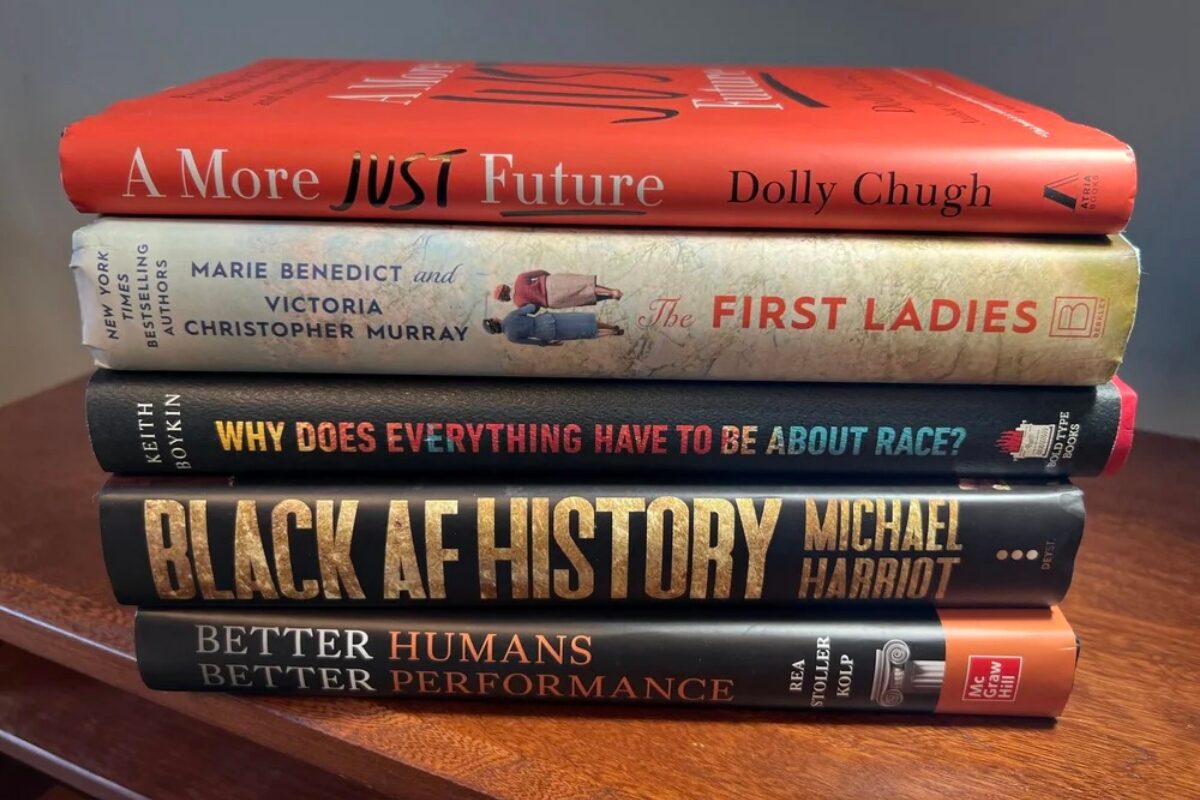
A More Just Future by Dolly Chug

The subtile of this book is a perfect summary of its message: Psychological Tools for Recocking with Our Past and Driving Social Change. The author, a professor of social psychology, tells her journey of racial awakening after the murder of George Floyd and masterfully combines psychological principles with recommendations on how to deal with current day dynamics of racial differences.: See the Problem; Dress for the Weather; Embrace the Paradox of American History; Connect the Dots Between the Past and the Present; Reject False Obscuring Facts; Take Responsibilty; and Build Grit. There are so many post-it notes in my copy of this book! I plan to go back to the pages again and again with the work we are doing to enhance gender solidarity to achieve racial equity. For those who have read Robin DiAngelo’s White Fragility, this book has a much, much better developed thesis with solid contemporary reasearch to back its recommendatons. In Getting To We language, it calls people in rather than calls people out. Worth the read.

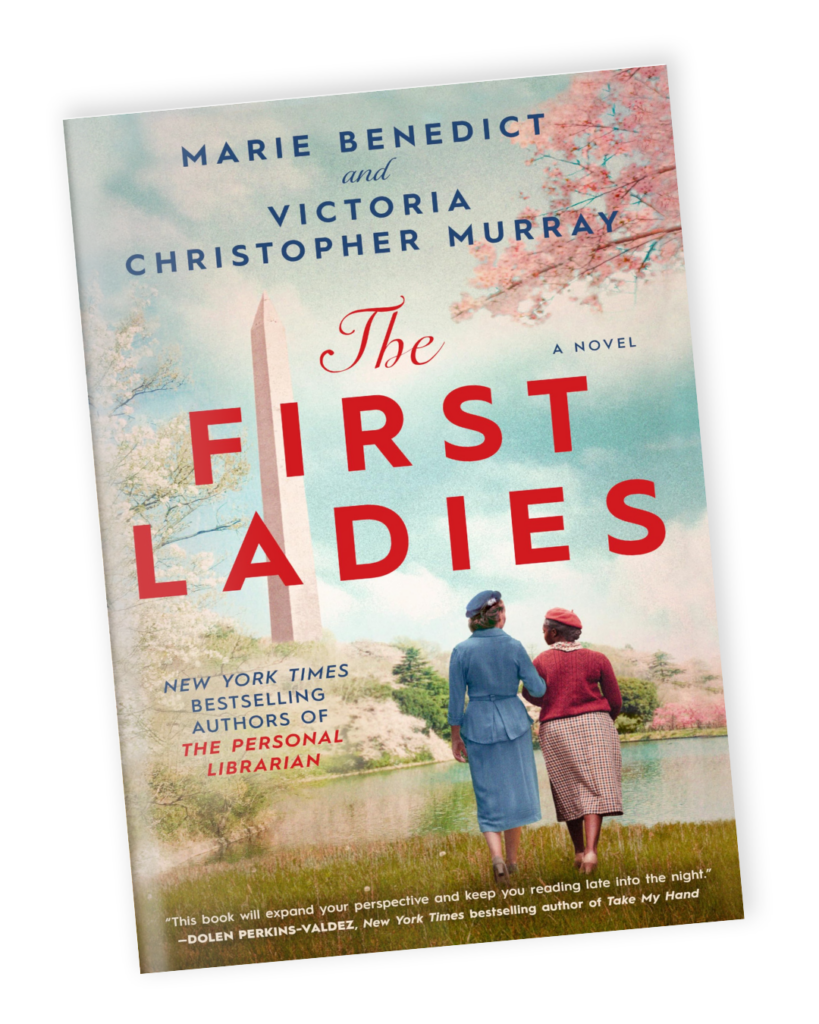
The First Ladies by Marie Benedict and Victoria Christopher Murray

I wrote about the very real friendship of First Lady Eleanor Roosevelt and civil rights advocate (dubbed First Lady of the Struggles), Mary McLeod Bethune, in my book on cross-racial friendships. This book, as historical fiction, uses historical facts heavily reasearched by the authors and extrapolates from these facts information to fill in how they would have related to each other in their friendship and how they would have managed the fight for racial equity in their lived experiences. Alternating chapters in the voice of Eleanor and Mary, the reader gets both points of view on what is was like to fight for racial equity from 1927-1945. This book is a great read for Getting To We’s Women’s Social Trust Movement and demonstrates the challenges and opportunies present in enhancing gender solidarity to achieve racial equity. Clearly, Eleanor and Mary could have participated in one of our Bridging and Bonding Women’s Social Trust Retreats and would have been featured in our documentary Trust in Black and White!

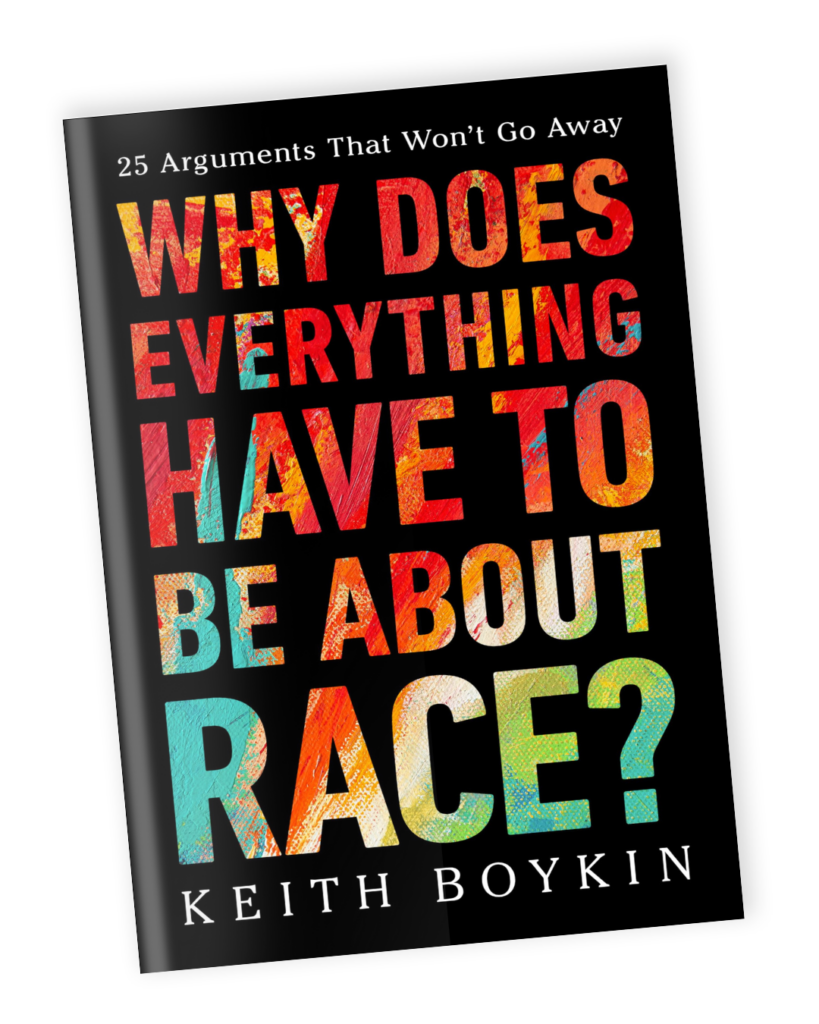
Why Does Everything Have To Be About Race? by Keith Boykin

This is a great title and the book is even better as Boykin clearly answers the book title’s question with each chapter of the book conveniently laid out to address subsequent questions about erasing Black history, centering White victimhood, denying Black oppression, myths of Black inferiority, and rebranding racism. In our current zeitgeist where ignorance about American history is prized as a political tool to manipulate the less informed, this book is a must read. It is a great go-to book to have new conversations about the old topic of race.

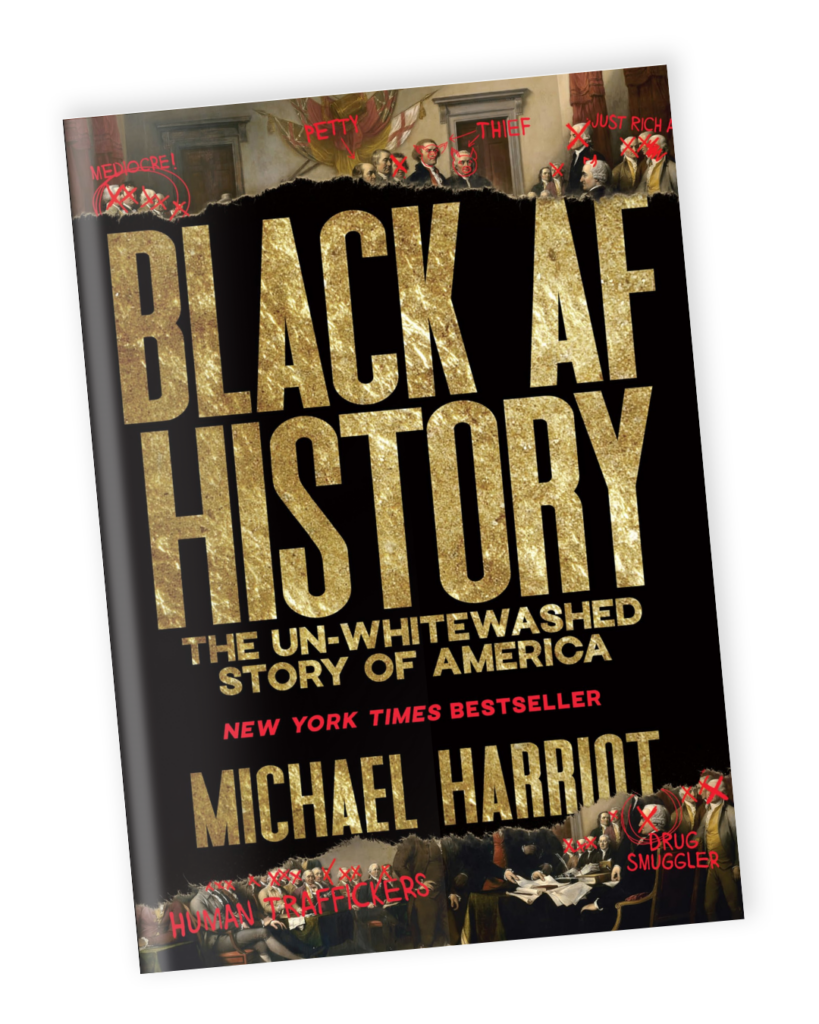
Black AF History: The Un-Whitewashed Story of America by Michael Harriot

The title of this book also says it all. Journalist, Michael Harriot weaves in his life experiences and a lot of wit to present little known and consciously hidden facts in American history. There’s a lot to learn and unlearn with this book. However, reader beware— he does paint Whites with a sweeping brush to make his point of telling an un-whitewashed version; so, I would recommend reading this book along with Dolly Chug’s A More Just Future to map out how we create a society that works for everyone and just doesn’t flip the script.

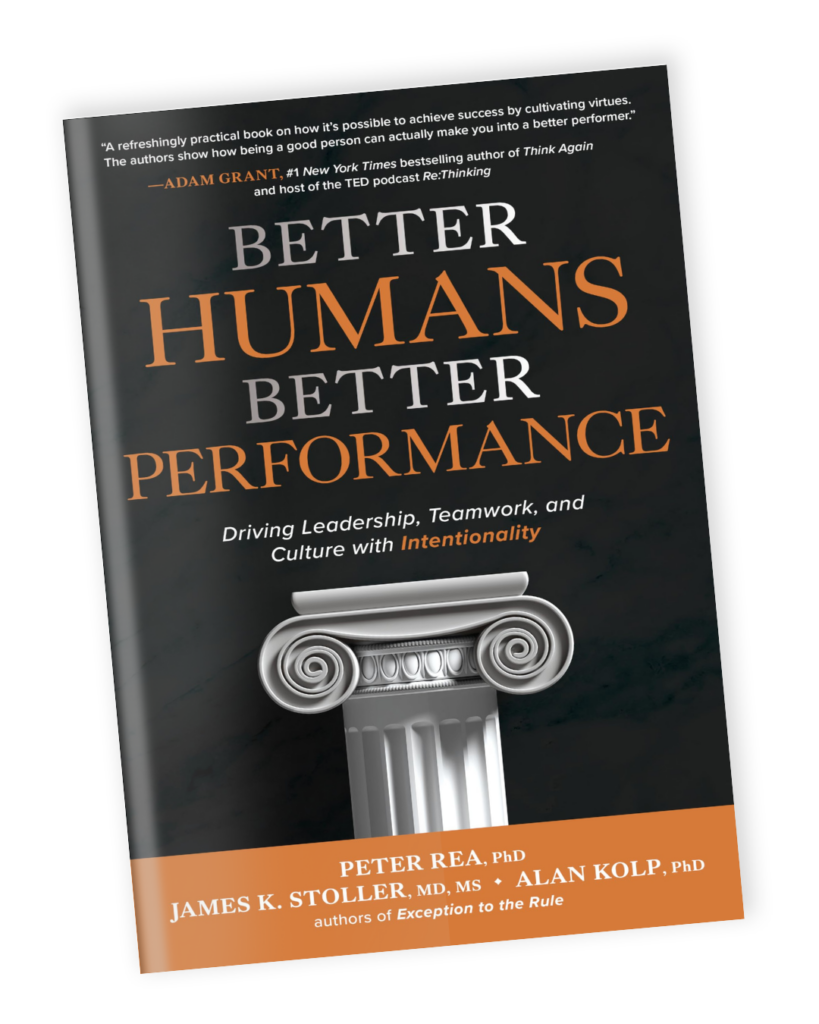
Better Humans Better Performance by Peter Rea, James K. Stoller and Alan Kolp

I listened to this book on Audible and then had my husband pick me up a copy so that I could highlight sentences (old school I know, can’t figure out the highlighting book mark function with audio books!). I admit, I was a bit skeptical about this recommendation from a colleague as it can appear that using the classical virtues (what were those?) to amplify to work performance might be a way to undercut and dismiss DEIB principles. However, I was happily surprised that there is a little more than a nod to DEIB in the book—at least DEIB is treated in a way that invites questions and encourages dialogue about contemporary work competencies for achieving results. The authors demonstrate how fostering character through the seven classic virtures—trust, compassion, courage, justice, wisdom, temperance, hope—can lead to better performance in organizations, i.e. the title Better Humans, Better Performance. I really liked how the chapters are laid out with lots of research backed by examples and key takeaways clearly outlined in each chapter. This book is also clearly aligned with Getting To We’s goal of becoming better humans for other humans and makes a strong case that in the workplace it leads to furthering an organization’s mission and achieveing business objectives. A win/win!

Getting To We Books for 2023

Summer is known for picking up books that are great “beach reads,” a book that will keep you engaged and not serious enough to interrup your vacation mood. However, summer is also a time when the workload lightens a bit which gives us time to pick up a book that inspires and challenges us to turn us and them into we. Here are four books that will feed the thalamus with new ways of knowing while keeping you motivated and energized to make positive change.

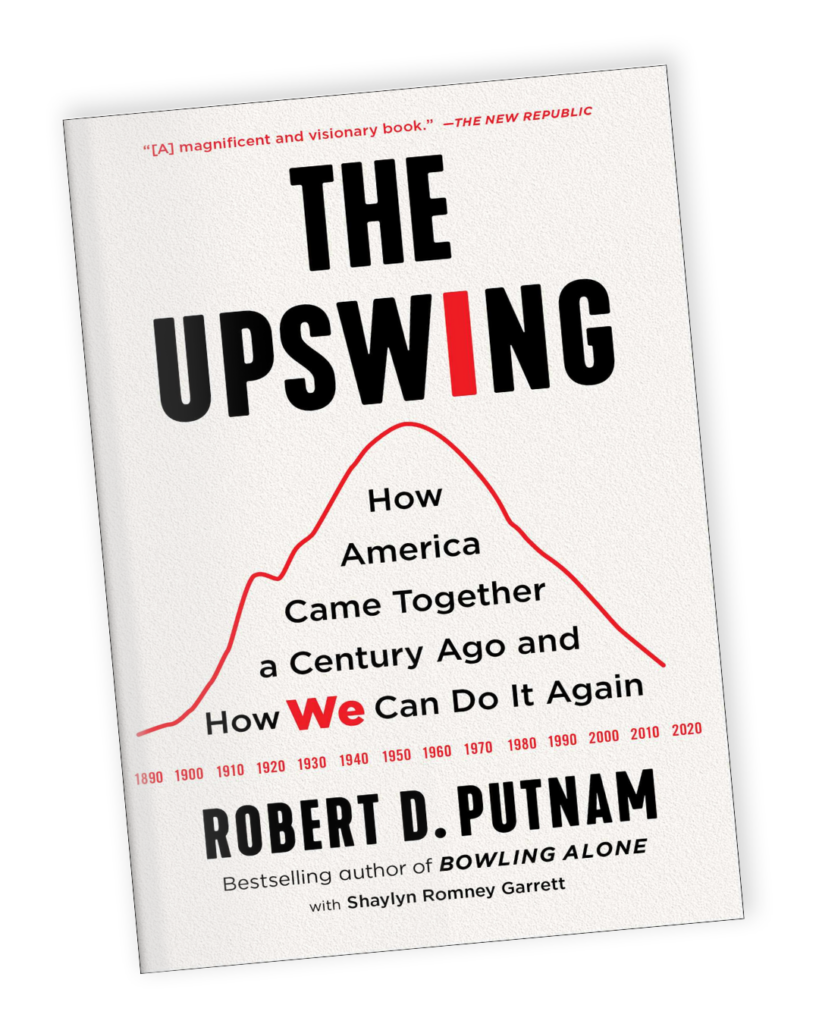
The Upswing: How America Came Together a Century Ago and How WE Can Do It Again by Robert D. Putnam

I am a fan of Harvard Public Policy Professor Putman’s work on social capital and loved his book Bowling Alone. This book captures themes across time that contribute to the I-WE-I cycle that America finds itself in. In other words, the past is the prologue. The book characterizes the Gilded Age and shows its similarities to current times. It’s a great analysis but don’t expect a formula for how to make culture change happen but a map for how cultural change has occured in the past. His insights point us to the kind of initiatives that have a proven track record of turning us and them into we. The two chapters on race and gender made me happy as they reinforce that Getting To We’s initiatives for strenghtening gender solidarity to achieve racial equity are on the right track.

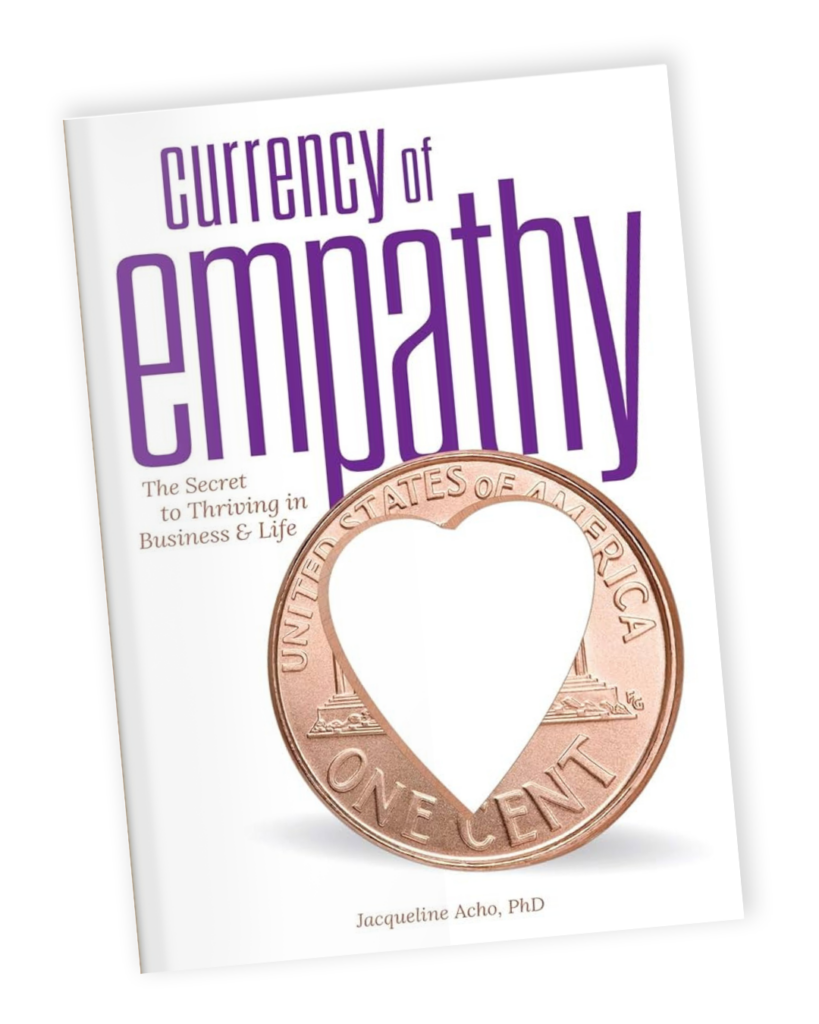
Currency of Empathy: The Secret to Thriving in Business & Life by Jacqueline Acho, PhD

This is my go-to book for examining how empathy fosters building social trust. Empathy is the lynchpin for creating inclusive organizations, peaceful communities and a healthy democratic society. I have read many books on empathy for my writing and research, and this book by far not only offers fresh insights but is wonderfully inspiring. It’s an easy read because of the writing style of the author. Jackie offers a great deal of substantive research and neatly explains the difference between affective and cognitive empathy. This book is a must read for leaders, educators, civic and community advocates of getting to we. We lost Jackie in December 2022 after a battle with ovarian cancer. She will be remembered not only for her contribution to the scholarship on empathy but for her rich relationships born out of empathy and her magnificent, inspiring life journey chronicled in her blog on cancer, death and dying.

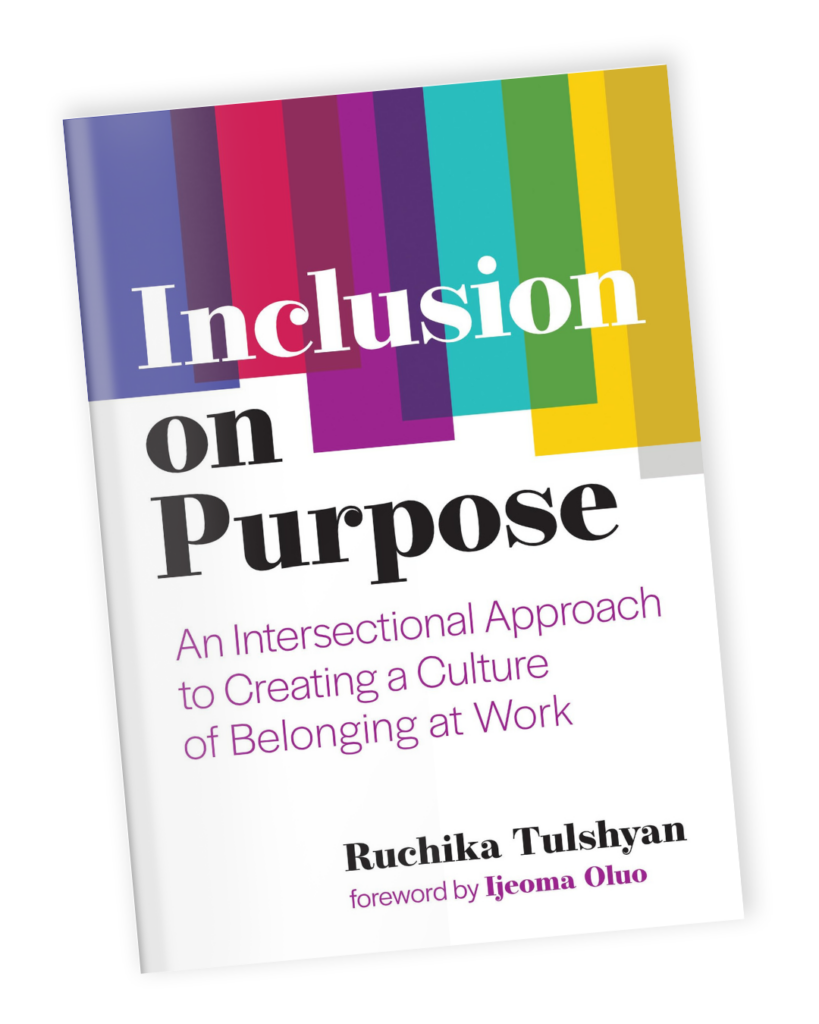
Inclusion on Purpose by Ruchika Tulshyan

We often think about inclusion as a feeling that we have towards others, but as this book illustrates inclusion is a action and a choice that requires work and know how. The work of fostering inclusion and belonging can’t be done in identity compartments but is expressed through our multiple and intersecting identities. Tulshyan offers user-friendly frameworks for how we can actually bring our full and authentic selves to the workplace.

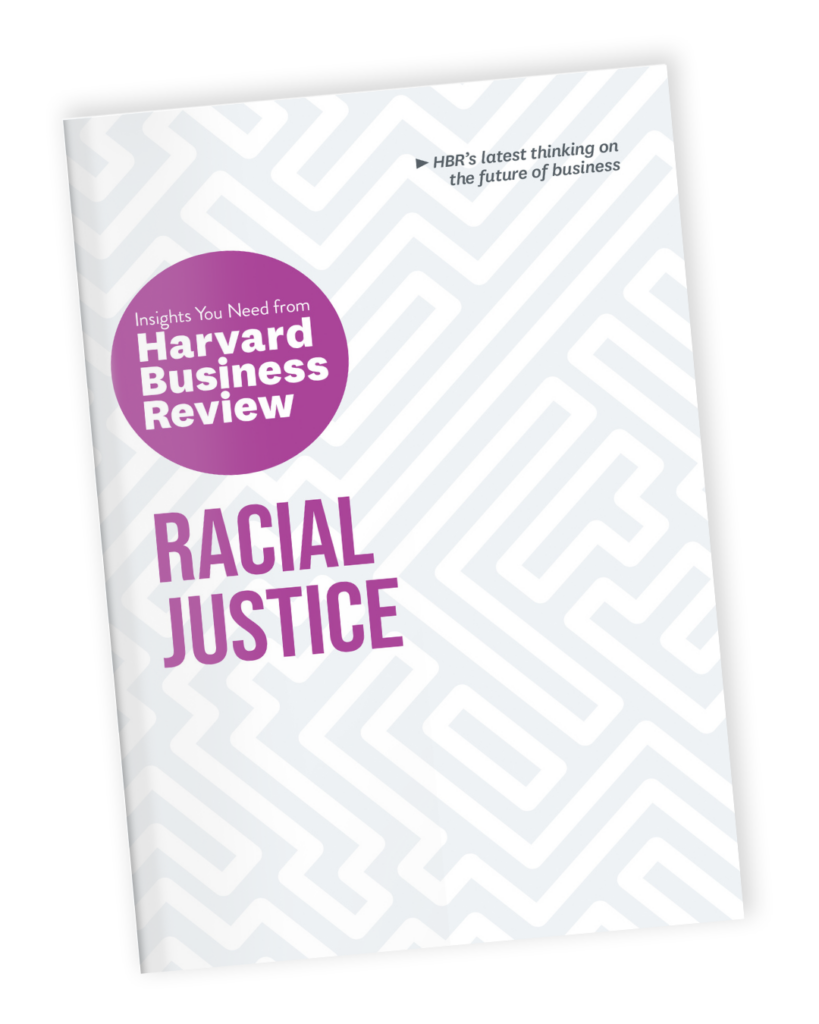
Harvard Business Review Racial Justice

After the murder of George Floyd in 2020 businesses joined the nation in calling for racial justice by deepening DEIB efforts in the workplace. Yet, over the past two years these efforts have waned and some have even been disbanded as a result of political blowback and fear mongering. This compendium of articles reminds us why companies must step up and continue working towards racial equity and how we can all make a difference in small and big ways.

Getting To We Books for 2022

There are many wonderful books that help us to learn about the historical and current day underpinnings that maintain human inequities. There are some books that inspire and challenge us to turn us and them into we. Here are 8 good reads that have given me new insights and inspired me to have a little more hope for a better future for all of us.

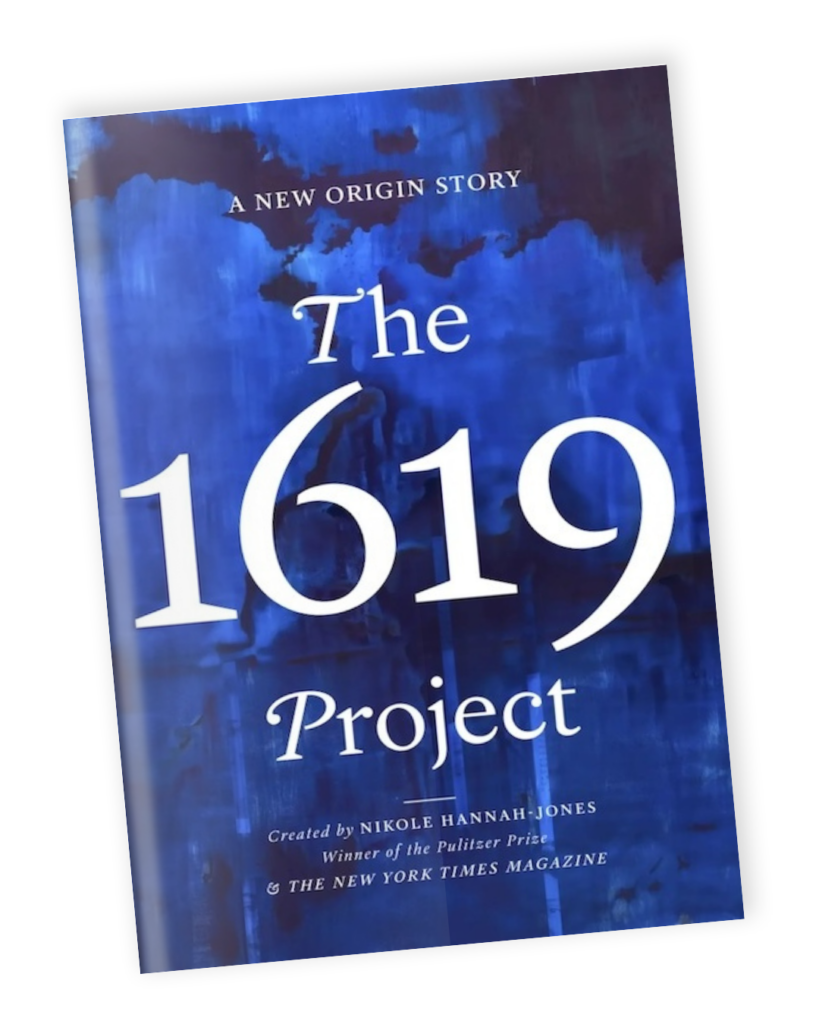
The 1619 Project Created by Nikole Hannah-Jones

Every page of this beautifully crafted book loaded with brilliant essays on the origin of the United States, moving poetry and fiction, and pictures that add to our understanding, is so worth the hours spent reading or listening to this book. If you only have time to read the Preface Origins, and Chapter 18 Justice, both by Nikole Hannah-Jones. Do so. Her words inform and inspire.

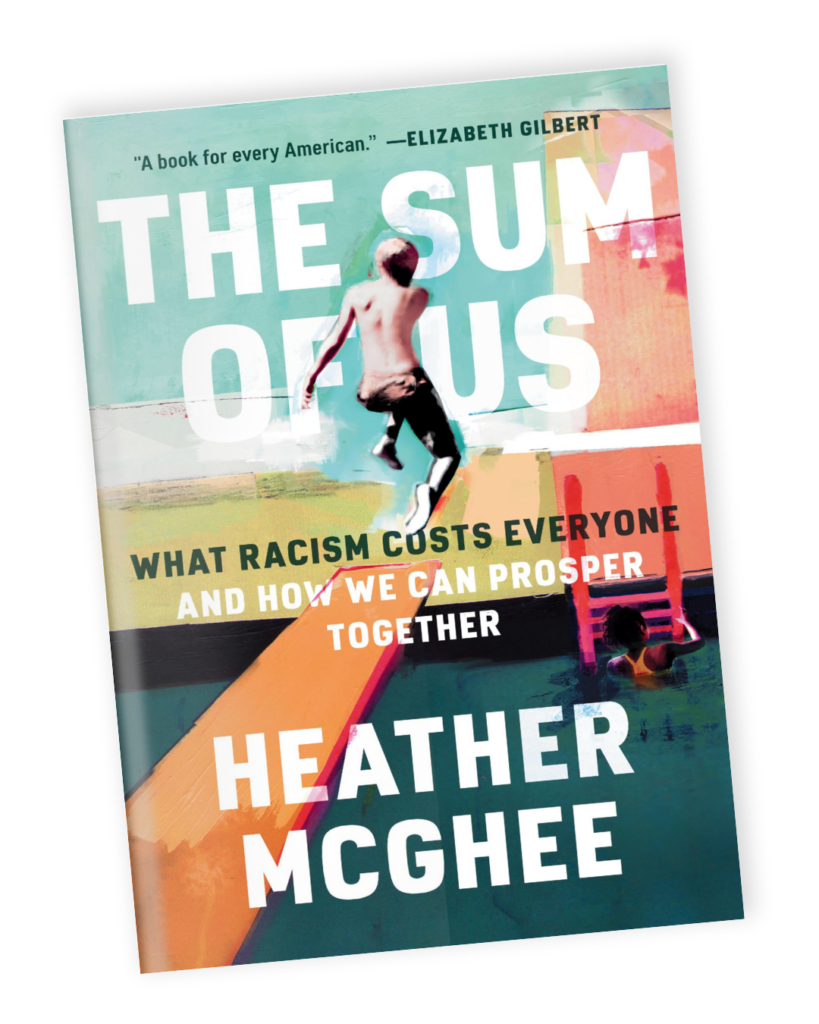
The Sum of Us: What Racism Costs Everyone and How We Can Come Together by Heather McGhee

This is a great analysis of how systemic racism not only impacts BIPOC but also Whites. McGhee covers a lot (community, climate change, voting suppression and the fight for $15 minimum wage) demonstrating how shared facts and leveling the playing field will help us refill the pool of public goods.

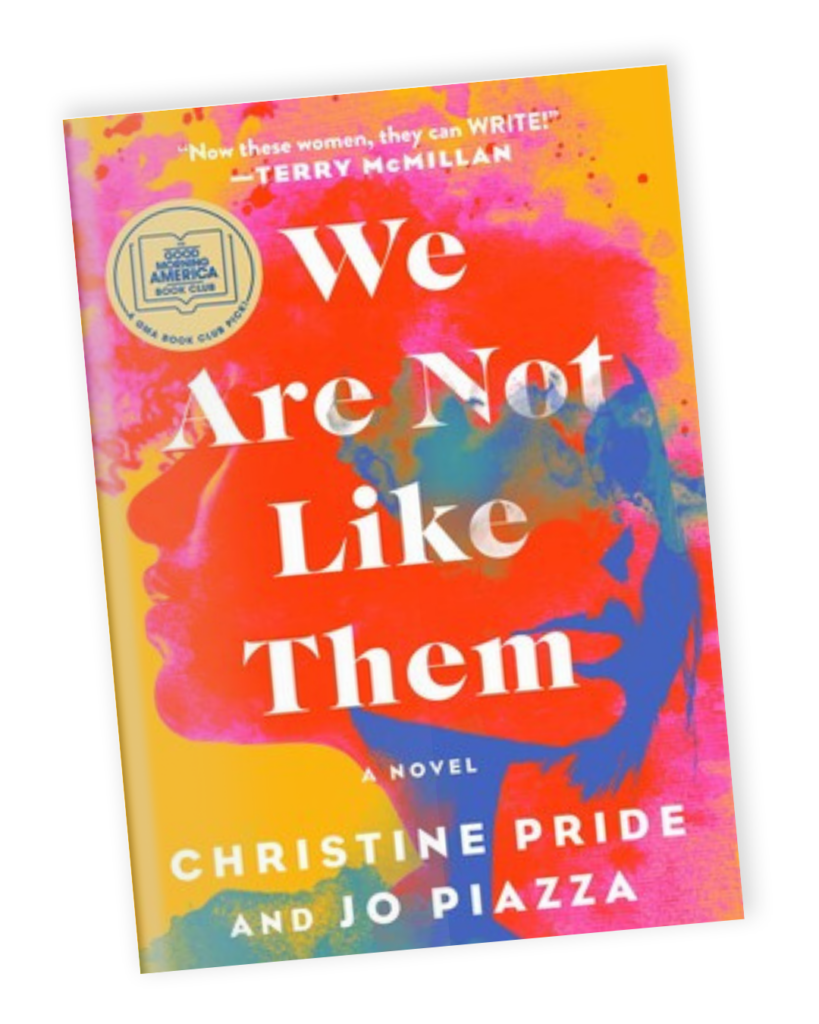
We Are Not Like Them by Christine Pride and Jo Piazza

Those of you who have life long friends of a different race and with whom you have had tough conversations during this time of racial reckoning will find this novel spot on. Do not read it for its literary strength but for understanding the emotional dynamics that occur between Black and White women. Was someone ease dropping in my conversations with White women friends? A realistic and hopeful account of the tensions between Black and White women as they struggle to love and be authentic.

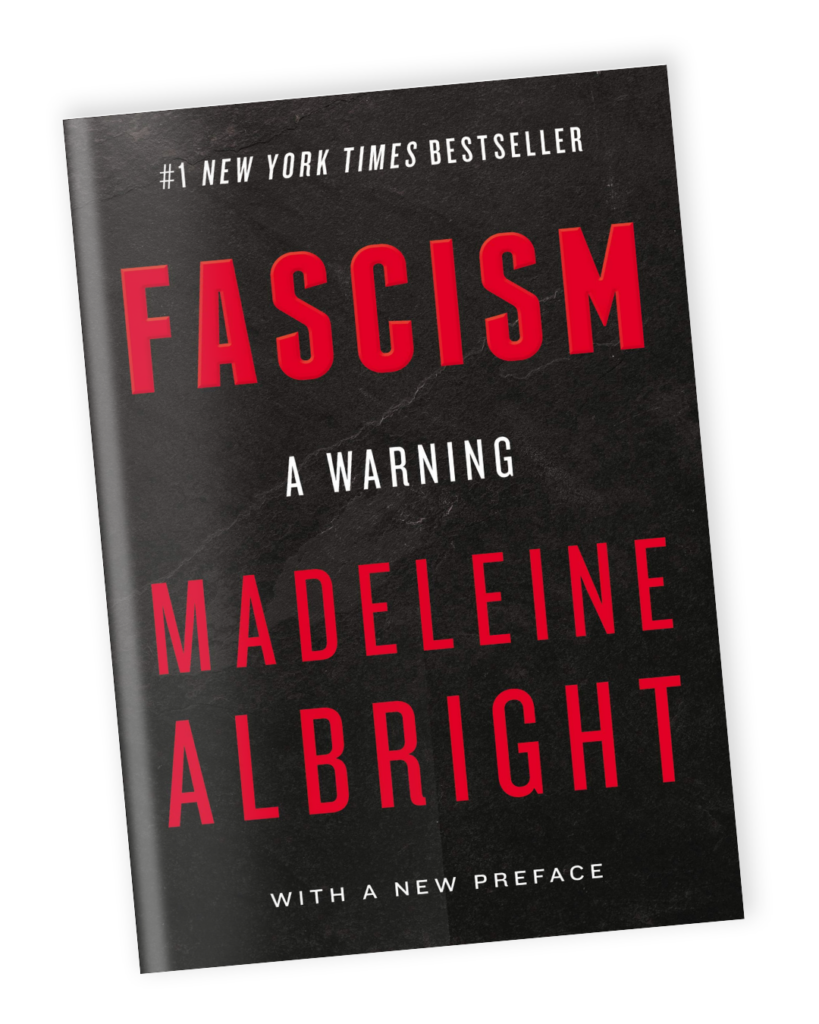
Facism, A Warning by Madeleine Albright

Reading this book scared the bejeebies outta me. It’s an excellent chronicling of the history of Facism by former secretary of state Madeleine Albright whose clear and measured bipartisan thinking and clean writing style makes a complex ideology very easy to understand. Her sayings, analogies, and metaphors are memorable (easier to oppose than propose; rather choose a strong and wrong leader than a right and weak; When rabbis are accused of answering every question with a question, they typically respond, “And why do you think that is?”In the Gospels, Jesus asked 40 questions for every declarative statement he made.) The warning is really more about how we are moving away from our humanity and how Albright frames getting back on course is what makes it inspiring and hopeful.

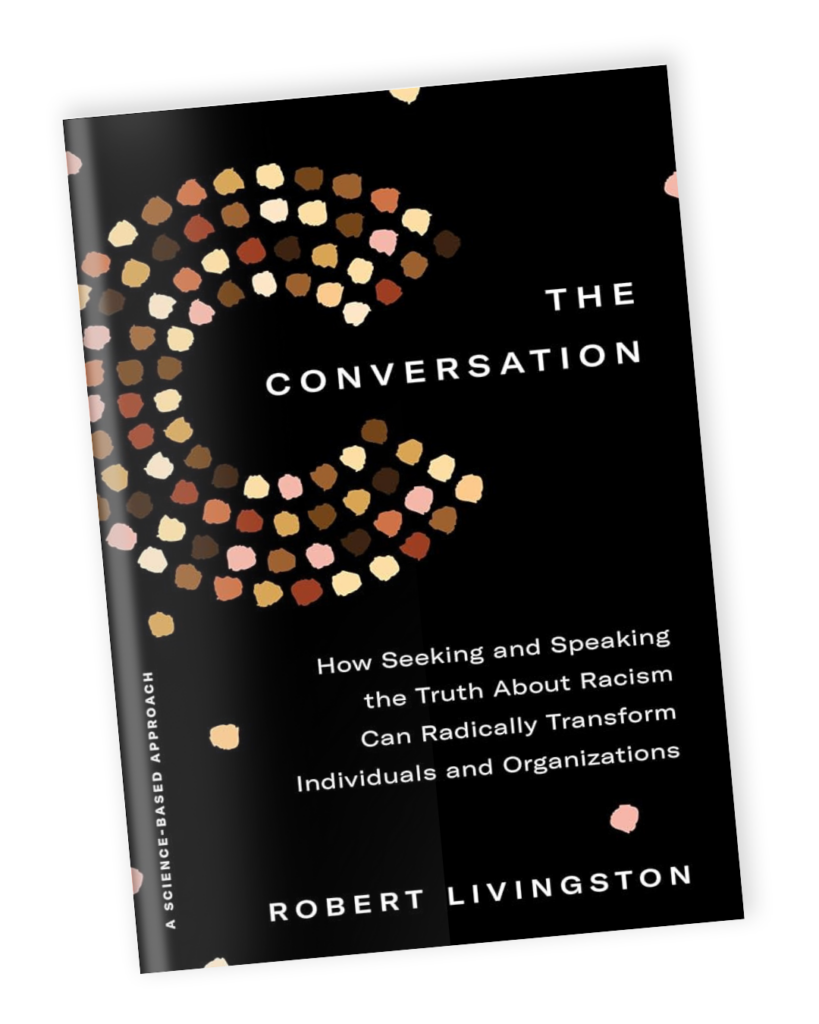
The Conversation: How Seeking and Speaking the Truth About Racism Can Radically Transform Individuals and Organizations by Robert Livingston

Lots of good solid data and neuroscience in this book, yet is an easy read because of the everyday examples. Livingston’s PRESS Model is one worth knowing and implementing: Problem Awareness, Root Cause Analysis, Empathy, Strategy, and Sacrifice.

Honor by Thrity Umrigar

This novel, about an Indian woman who has lived in the U.S. since her teens and goes back to India as a journalist to cover a story about a woman who dishonors her family by marrying Muslim and is dealing with its brutal consequences, is a hard read from an emotional aspect. Umrigar is a brilliant writer (The Spaces Between Us remains my #1 favorite book) who touches every sense with her words and how she makes her characters’ emotions unravel as they do in everyday life. Yet, this story with all of it complexities gets us to we by reminding us that our shared core identity is that of being human. It inspires us to be better humans for other humans.

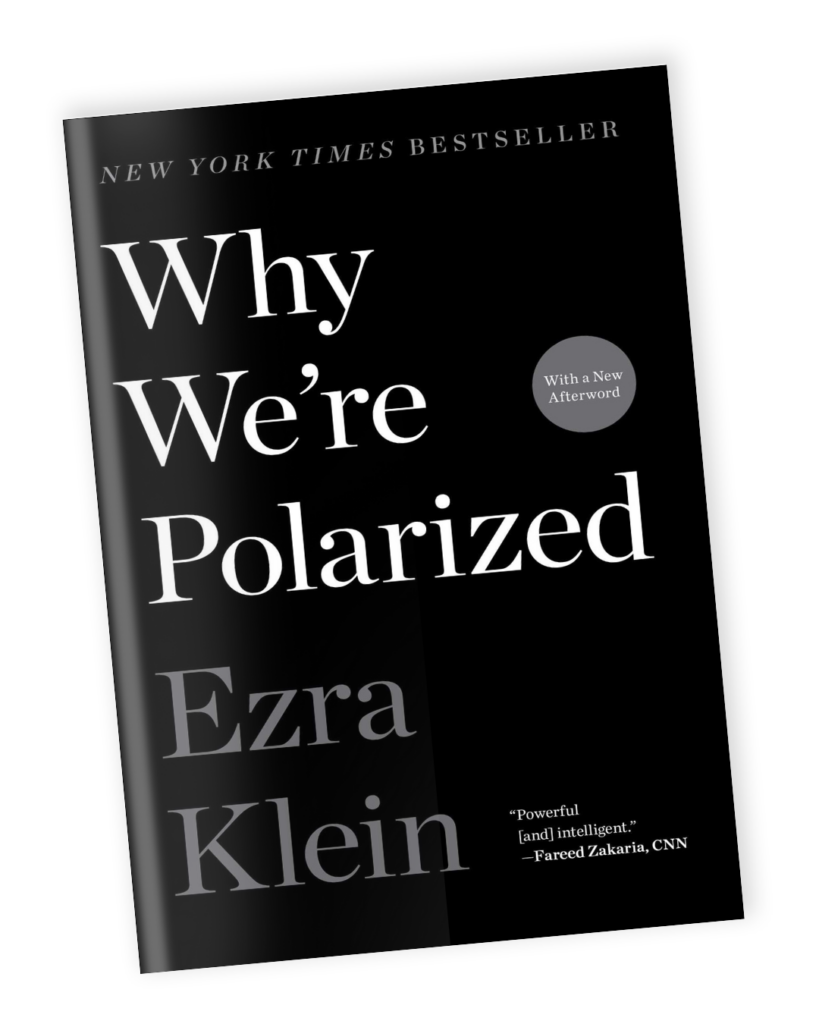
Why We’re Polarized by Ezra Klein

I read this book over a year ago and quote from it almost every month. It’s an excellent analysis of our current polarized society through the lens of identity. As a Getting To We person, having all of the reasons for our polarization so clearly outlined is a bit discouraging but enlightening as it helps one to see the needed role of the better humans movement. I found the sections on identity triggers, depolarizing ourselves, and identity mindfulness (being mindful of how our identities are being activated) practical and helpful.

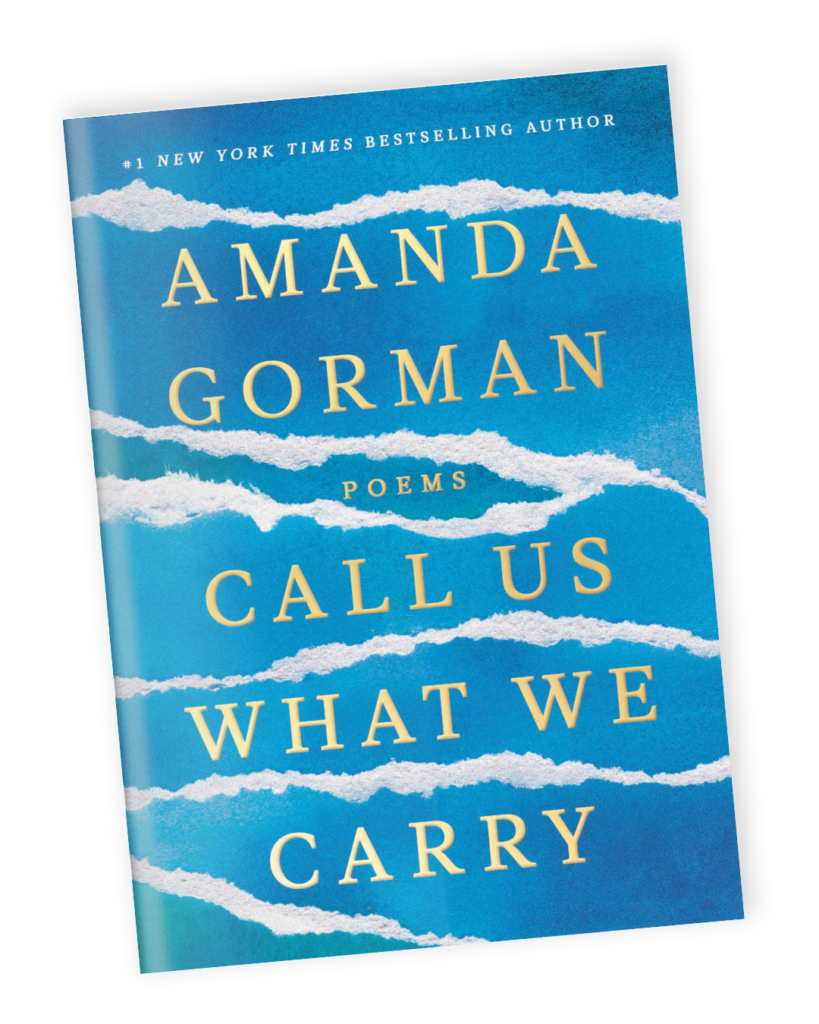
Call Us What We Carry by Amanda Gorman

Even if you are not a poetry reader, you should read this book. It is written by Amanda Gorman. Enough said.