Donate now and together we’ll turn us and them into we. We also accept stock donations!

The God I Know: Finding Faith in Each Other

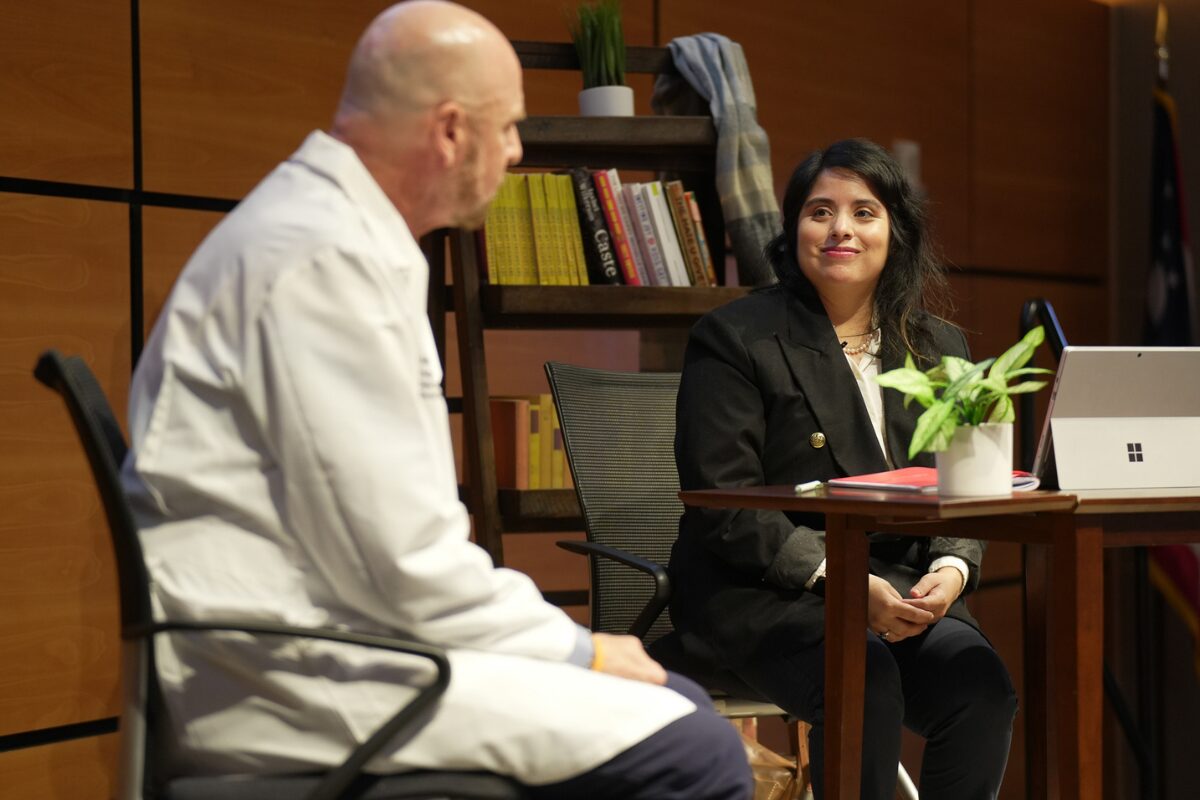
The God I Know is a Film Theater Experience that explores the interface of personal and religious identity. As Inclusion & Belonging Edutainment™ its goal is to spark meaningful conversation about religion in the public space and the intersection of religious liberty, freedom of speech, and separation of church and state. It is timely in its presentation, as Christian Nationalism is actively being introduced in American democracy. A rallying cry for love without boundaries, compassion, and moral clarity for anyone of faith and anyone who believes in democracy.

Communities across the country are bringing The God I Know to life—using performance and guided discussion to open dialogue about trust, justice, and faith in action. These events remind us that spiritual connection and social connection are not separate—they are one and the same.

The film theater experience is
also available on YouTube:

Bring The God I Know to Your Community

Host an Inclusion & Belonging Edutainment™ Experience Where You Live

image

Churches, universities, and community centers are hosting performances that blend art and reflection, helping audiences explore faith through empathy and relationship. To bring a live performance to your community, contact us info@gettingtowe.org

Contact Us

How does your faith shape the way you build trust with others?

View the film theater experience of The God I Know with your community. Essential to these edutainment experiences is the post show discussion. Here are some discussion questions to keep the conversation moving and enrich the learning:

  1. Why was it important for your community to see this play?
  2. There’s another prominent character in the play, Tyler, who is nonbinary and religious but does not appear as an actor. Why do you think the playwright’s message is not having Tyler as a physical character?  What message do you think Tyler holds for religious communities and faith in general? 
  3. The character Betty states that Christian Nationalism is a form of White Supremacy, yet some Black and Brown Americans support it. Why do you think that is?
  4. People who endorse Christian Nationalism make up about 30% of the U.S. but two-thirds of the Supreme Court. What are the implications of these numbers?
  5. Contrary to what some people might think, Christian nationalist adherents and sympathizers aren’t just baby boomers. Gen Z right wing activists are very engaged in Christian Nationalism and believe they are fighting for their faith and saving our democracy from a liberalism that takes us away from Gospel values. Your thoughts?

Words Create Worlds: How Language Shapes Belonging

Language is the architecture of connection. The words we choose determine who feels seen, who feels excluded, and how deeply we trust one another.

At Getting to We, we view language as a tool for belonging. Our words carry values—whether we acknowledge it or not. A casual comment can close a door; an intentional phrase can open one.

We teach teams and communities to listen to their own language: Who does this include? Who does it silence? What assumptions lie within it?

Each reflection becomes an opportunity to align speech with empathy.

Inclusion begins in the sentences we speak. By choosing words that reflect care, curiosity, and respect, we create spaces where everyone belongs—and that’s where transformation begins.

Words Create Worlds Award

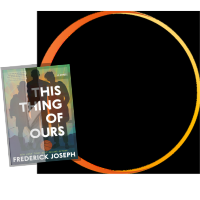
Congratulations to 2025 Words Create Worlds Award recipient Frederick Joseph, Author of This Thing of Ours. Joseph’s writing is timely in its presentation as a rallying cry for injustice that comes from the voices of young adults who meet the challenges of the time with real courage and as models for what it means to be an upstander.  

The book’s themes elevate the power of storytelling and the written word in such a refreshing way in an era where social media often presents ideas in fragmented, biased ways that flatten the nuances inherent in these complex issues.  

As a YA book with adult themes, it’s accessible across all ages and one that can and should be discussed in schools and universities, across family dinner tables, and in every kind of book club from traditional to “boozy” book clubs.

Past Award Recipients

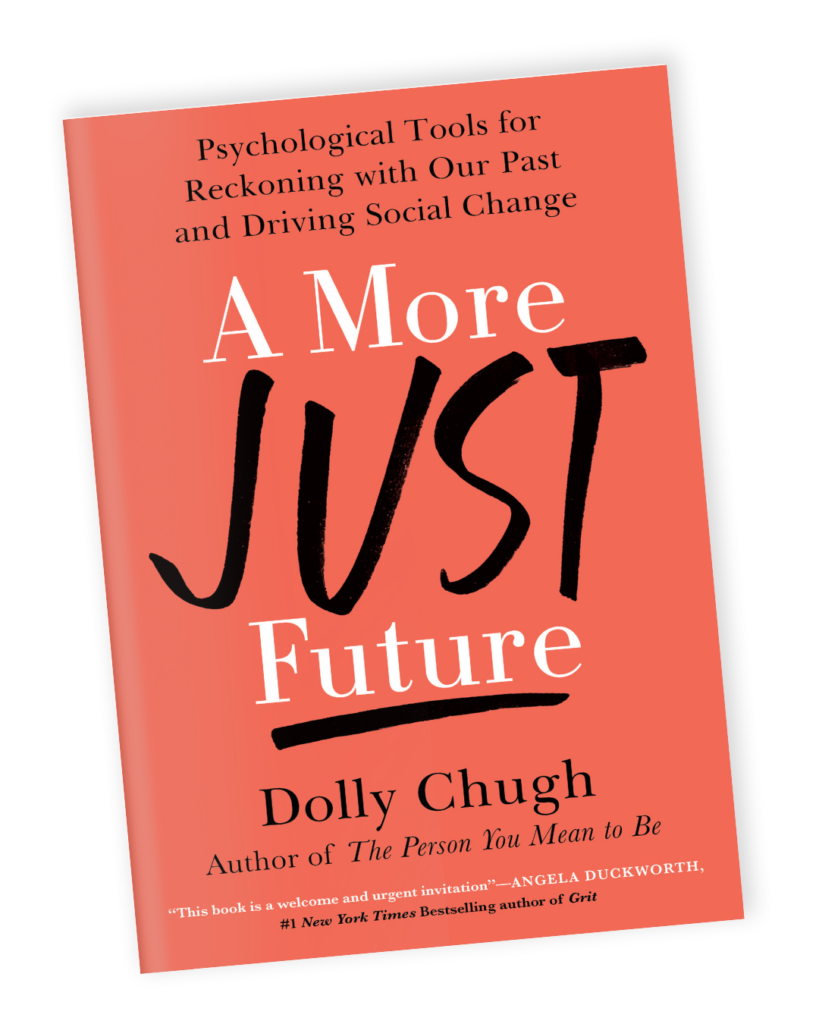
Dolly Chugh, A More Just Future

Dolly Chugh, A More Just Future

Jonathan Eig,  MLK: A Life

Jonathan Eig, MLK: A Life

Christine Pride and Jo Piazza,  We Are Not Like Them

Christine Pride and Jo Piazza, We Are Not Like Them

We encourage nominations of writers whose work inspires us to practice Me to We skills.

How have words shaped your sense of belonging? Share your reflection below.

Micro Moments: The Art of Everyday Trust

At Getting to We, we talk often about “micro moments”—those seemingly small actions that shape how safe, valued, and connected people feel. These are the quiet threads of trust that hold communities together.

Holding a door. Remembering a name. Listening fully before responding. Each of these micro moments sends a signal: You matter. Over time, they become a language of care, a rhythm of belonging.

Trust is built not in a single breakthrough, but in the accumulation of these moments. They teach us to be present, to honor vulnerability, and to practice empathy in real time.

Through our Social Trust workshops, we’ve seen how micro moments transform cultures. When individuals choose empathy and reliability again and again, they reshape entire environments—workplaces, families, and communities alike.

What small gestures of trust have made a big difference in your life or work?

Can’t We Just Agree to Disagree?

To quote James Baldwin, “ We can disagree and still love each other unless your disagreement is rooted in my oppression and denial of my humanity and right to exist.” Having the competencies necessary to successfully navigate our increasingly multicultural society is imperative in places where we work, live, serve, worship, and socialize. In our polarized society, our ability to shape a positive future is determined not only by how we support, trust, and collaborate with those with whom we agree…but by how we understand, treat, and work with those with whom we disagree, especially on issues critical to achieving inclusion and belonging goals in organizations and communities.

Getting To We requires relating to each other in our core identity as humans which means using humanizaing language and working to call people in rather than calling people out. It’s not easy to do. Check out the resources on our resource page.